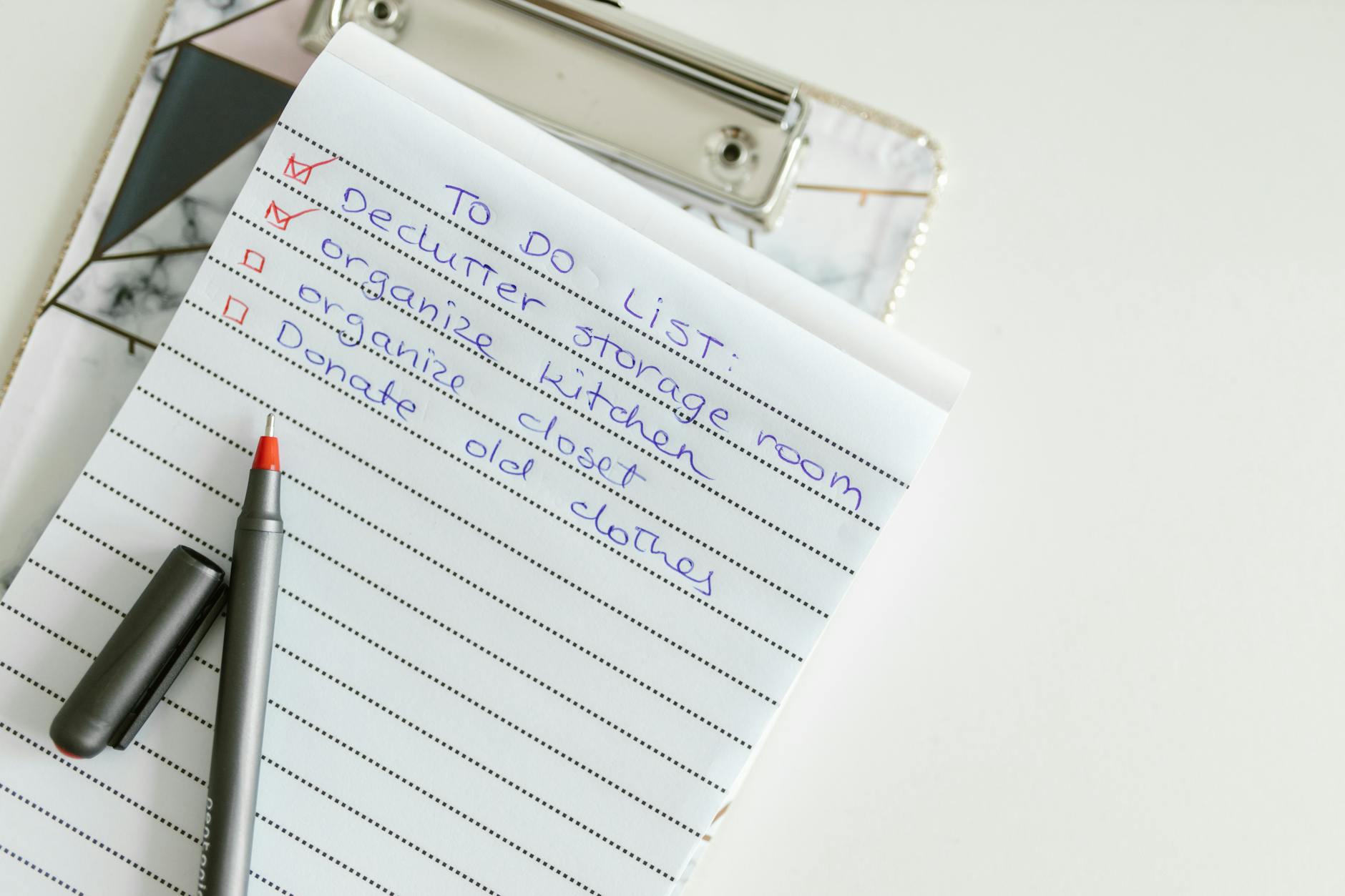
How to Detox Your Home Room by Room: A Real Family’s Checklist
This post contains affiliate links. I may earn a small commission at no extra cost to you.
I remember standing in the cleaning products aisle at Walmart about four years ago, completely overwhelmed. I’d just gone down a rabbit hole about endocrine disruptors and synthetic fragrance, and suddenly I was staring at every bottle under our sink like it was a crime scene. I didn’t know where to start. Throw it all out at once? Replace things one at a time? Just… pretend I didn’t read any of it?
If that sounds familiar, this post is for you.
We didn’t detox our home overnight. We did it room by room, swap by swap, over the course of about two years. And honestly? That’s the only way it actually sticks. This is the checklist I wish I’d had — practical, not perfect, and designed for a real family with kids who track in mud, chickens who occasionally wander where they shouldn’t, and a budget that doesn’t have room for buying everything new all at once.
Why a Room-by-Room Approach Actually Works
The all-or-nothing method is how people burn out and give up. When you try to replace your entire home in one weekend, you either spend a fortune or you get decision fatigue and do nothing. Going room by room means you can focus your energy, research what matters most in each space, and make intentional choices instead of reactive ones.
We started with the kitchen and the kids’ rooms — the places where our family spends the most time and where little bodies are most vulnerable. Then we worked outward from there.
Kitchen: Where Food and Chemicals Shouldn’t Mix
The kitchen is a great place to start because so many swaps here are simple and budget-friendly.
Checklist:
- Swap plastic food storage for glass or stainless steel
- Replace plastic wrap with beeswax wrap — our kids think it’s the coolest thing
- Ditch the non-stick pans with scratched coatings and start building a cast iron skillet collection (Lodge is our go-to, and they last forever)
- Replace synthetic dish soap and counter sprays with non-toxic alternatives — we order most of ours through Grove Collaborative, which makes it easy to stock up without hunting through labels at the store
- Start a kitchen compost bin — less waste, better soil for the garden, and our chickens love the scraps
- Swap out plastic water bottles for stainless steel kids water bottles
The goal in the kitchen isn’t perfection — it’s reducing daily exposure. You’re touching these surfaces, cooking food on them, drinking from them every single day.
Laundry Room: The Hidden Fragrance Problem
This one surprised me. I used to think “clean” smelled like fabric softener. Now I know that synthetic fragrance is one of the worst offenders when it comes to indoor air quality and skin irritation — especially for kids.
Checklist:
- Swap conventional detergent for a fragrance-free, non-toxic formula (I’ve written a whole post breaking down what we’ve actually tried: Best Non-Toxic Laundry Detergent for Families)
- Replace dryer sheets with wool dryer balls — we’ve been using the same set for three years
- Ditch the dryer sheets entirely — they coat your clothes (and your kids’ pajamas) in fragrance chemicals with every load
- Wash new clothes before wearing — especially kids’ clothing that comes with that chemical “new” smell
Bathrooms: Personal Care Is Personal Exposure
Your skin absorbs what you put on it. That’s the whole premise behind every lotion and sunscreen ever made — and it’s also why the products we use on our kids daily actually matter.
Checklist:
- Audit shampoo, conditioner, body wash, and lotion — look for anything with parabens, phthalates, or “fragrance” listed as an ingredient
- Replace conventional kids’ sunscreen with a non-toxic mineral sunscreen — this is a big one for us as a Florida family that’s outside pretty much year-round
- Swap out synthetic air fresheners (plug-ins, sprays) for an essential oil diffuser or just open the window
- Replace conventional cleaning sprays with non-toxic versions — I’ve got a full breakdown in our Best Non-Toxic Cleaning Products post
- Look at your toothpaste — many kids’ versions have artificial dyes and sweeteners that aren’t necessary
Kids’ Rooms: Prioritize This One
Kids spend more hours in their bedrooms than almost anywhere else. They’re sleeping, playing on the floor, breathing air in an often poorly ventilated space. This room is worth prioritizing.
Checklist:
- Wash all bedding with non-toxic detergent regularly
- Avoid synthetic-fragrance plug-ins or air fresheners in bedrooms
- Reduce plastic toys where possible — wooden, fabric, and natural materials are better choices
- Open windows daily for fresh air circulation, even here in Florida where it’s hot — mornings are perfect
- If you’re dealing with bugs (and in Florida, you are), check out our post on Non-Toxic Pest Control for Florida Homes before you reach for the bug spray
Outdoor Spaces and the Yard
If you’ve got a backyard, a garden, or chickens — like we do — your outdoor spaces matter too. What you spray on your lawn or garden ends up on little bare feet, in your soil, and in your flock.
Checklist:
- Replace conventional pesticides and herbicides with non-toxic alternatives — Wondercide is what we use for yard pest control and it’s safe around our chickens and our dog
- For the chicken coop specifically, food-grade diatomaceous earth is our go-to for mites and pests without chemicals
- Avoid chemical fertilizers on areas where kids play barefoot
- Grab kids’ garden gloves so your little ones can actually help in the garden without hesitation
- Don’t forget non-toxic mosquito repellent — this is non-negotiable if you’re outside in Florida from about April through October
A Note on Doing This the Slow Way
I want to be real with you: we did not do all of this at once. We started with the things that felt most urgent — cleaning products we used every day, what we were putting on our kids’ skin, what was going into their food. Then we kept going, slowly, as products ran out and needed replacing.
You don’t have to throw everything away tomorrow. In fact, please don’t — that’s wasteful and expensive. Use what you have, and replace it with something better when it’s gone. That’s the 1990s-mom approach to this, honestly. Intentional. Not frantic. Not trend-chasing. Just making better choices, one at a time.
This kind of home — a little slower, a little simpler, a little less synthetic — is also just a better environment for the kind of childhood we’re trying to give our kids. The same house where we don’t want chemical sprays is the same house where we crack the windows, let the kids run outside with bare feet, keep nature journals on the table, and don’t stress too much about a little dirt. It all fits together.
Start with one room. Do what you can. And don’t let perfect be the enemy of better.
📖 You Might Also Like:
- Best Non-Toxic Cleaning Products for Families in 2026 (What We Actually Use)
- Non-Toxic Pest Control for Florida Homes: What’s Actually Safe for Kids, Chickens, and Pets
- Natural Mosquito Repellent That’s Actually Safe for Kids in Florida (What We’ve Tested and Trust)
Frequently Asked Questions
What does it mean to detox your home?
Detoxing your home means identifying and replacing products that contain harmful or potentially toxic chemicals — things like synthetic fragrances, parabens, phthalates, harsh pesticides, and non-stick coatings — with safer, non-toxic alternatives. It’s not about having a sterile or perfect home. It’s about reducing your family’s daily exposure to chemicals that may affect hormones, skin, air quality, and overall health over time.
Where should I start when detoxing my home?
Start with the areas where your family spends the most time and has the most direct contact with products — usually the kitchen and the kids’ bedrooms. Swapping out daily-use cleaning products and personal care items gives you the biggest reduction in exposure for the least amount of effort. From there, work room by room at a pace that fits your budget.
Do I have to throw everything away at once?
No — and honestly, that approach tends to backfire. Use what you have, then replace products with non-toxic alternatives when they run out. This approach is both budget-friendly and sustainable. The goal is gradual, intentional change — not a one-weekend overhaul that leaves you overwhelmed and broke.
What are the most important toxic products to replace first?
Most experts point to these as high-priority swaps: synthetic-fragrance cleaning products and laundry detergent, conventional pesticides and lawn sprays, non-stick cookware with scratched coatings, plastic food storage (especially for hot foods), and conventional personal care products used daily on kids — like sunscreen, shampoo, and lotion. These are daily-use items with cumulative exposure, so swapping them out makes the biggest difference fastest.
Is a non-toxic home more expensive to maintain?
It can cost more upfront for some items, but over time many non-toxic swaps actually save money. Wool dryer balls replace dryer sheets indefinitely. Cast iron pans last decades. Beeswax wraps replace plastic wrap over and over. Concentrated non-toxic cleaners often cost less per use than conventional ones. The key is swapping strategically as things run out, rather than replacing everything at once.
Leave a Reply