Molting Chickens: What to Expect and How to Help Them Through It
This post contains affiliate links. I may earn a small commission at no extra cost to you.
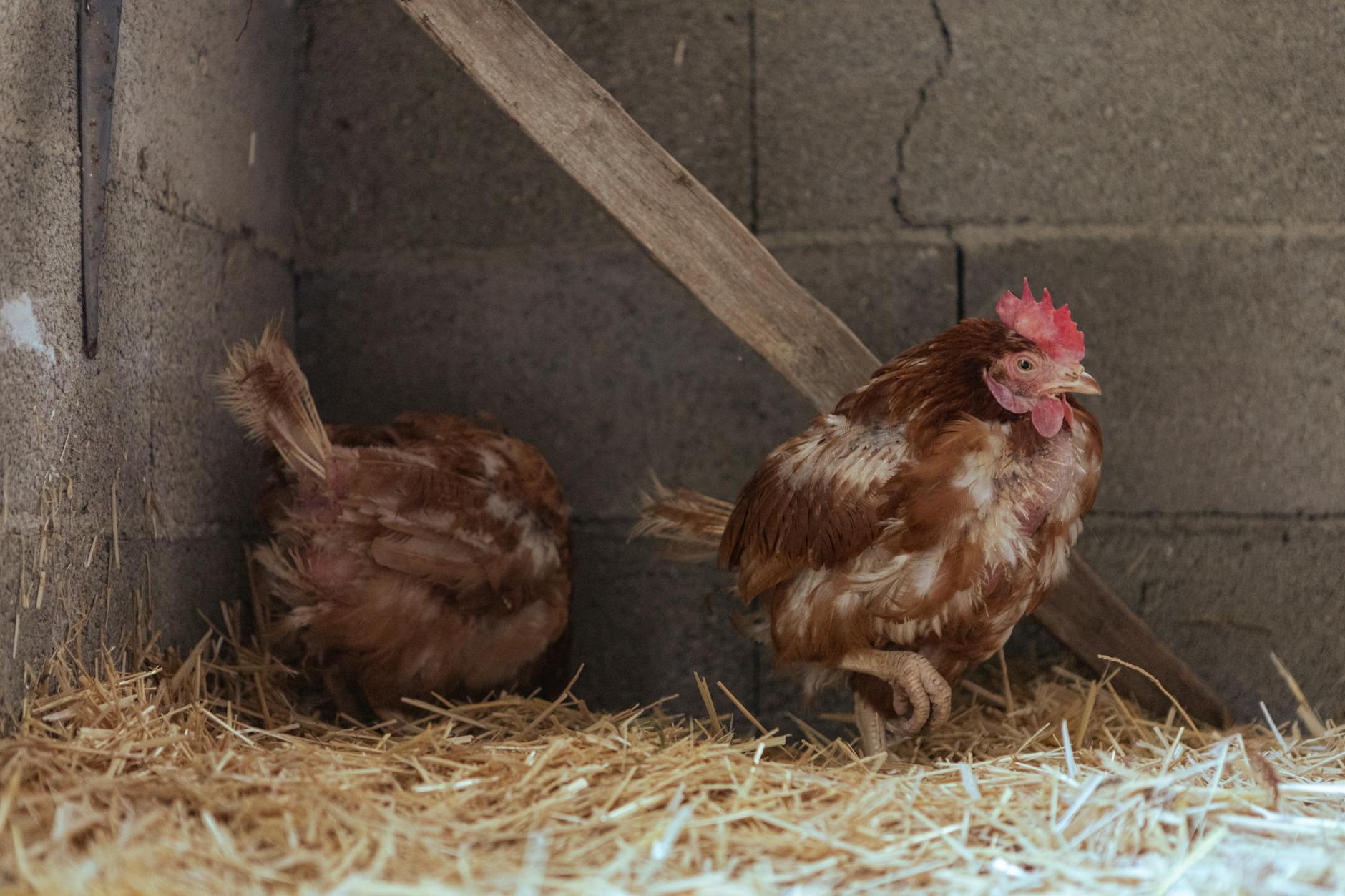
The first time one of our girls went through a hard molt, I genuinely panicked. Feathers everywhere. Bare patches on her back and neck. She looked like she’d had a rough encounter with something in the night — and honestly, I went straight down the rabbit hole convinced something was terribly wrong.
Spoiler: she was completely fine. Just molting.
If your chickens are looking a little rough right now — patchy, scraggly, more dramatic than usual — this post is for you. Molt is one of those things nobody really warns you about when you first get backyard chickens, and seeing your normally fluffy ladies looking like tiny naked dinosaurs can send a new chicken keeper into full alarm mode. So let’s talk through what’s actually happening and how you can support your flock.
What Is Molting, Anyway?
Molting is the natural process of a chicken shedding her old feathers and growing in a fresh new set. It happens once a year, typically in the fall as the days get shorter. Your hen’s body is responding to that decrease in daylight — it’s a signal that says okay, time to reset.
Feathers are made almost entirely of protein, so growing a whole new coat is a massive nutritional demand. During molt, your hen’s body essentially redirects all that protein energy away from egg production and toward feather regrowth. Which is why you’ll notice your egg count drop — or stop entirely — during this time. (For more on what affects laying, check out How Often Do Chickens Lay Eggs — and What Actually Affects Production.)
What Molt Actually Looks Like
Molt can look wildly different from bird to bird. Some hens do what’s called a soft molt — you barely notice it, maybe a few extra feathers in the coop, a little thinning around the neck. No big deal.
Other hens go through a hard molt, and that’s what gets people. We’re talking significant bare patches on the neck, back, chest, and around the vent. Pin feathers (those little quill-like new feathers coming in) are visible. The coop floor looks like a feather pillow exploded. Your hen may look downright pitiful.
Both are completely normal. Older hens tend to molt harder. First-year pullets often don’t molt at all their first fall.
Signs Your Chicken Is Molting
- Feathers dropping faster than normal
- Patchy or bare skin on neck, back, or chest
- Pin feathers visible (small, waxy-looking quills)
- Drop in egg production
- More irritable or withdrawn than usual
- Eating more than normal
Molt in Florida: A Little Different Than Up North
Here in Northwest Florida, molt timing can be a little quirky. Because our daylight hours don’t shift as dramatically as they do up north, some of our girls seem to stagger their molts — one goes in October, another waits until December, occasionally one does a weird partial molt in late summer.
The heat can also be a factor. Florida summers are brutal, and if your hens were heat-stressed through July and August, it can sometimes trigger an early or unusual molt. If you’ve been dealing with heat management this summer, you might find molt sneaking up sooner than expected. We’ve got a whole post on How to Keep Chickens Cool in Florida Summer Heat if that’s been your reality.
How to Actually Help Your Molting Hens
The best thing you can do during molt is get out of the way — but support them nutritionally. Here’s what works for us.
Bump Up the Protein
This is the big one. Your normal layer feed is typically around 16% protein, which is fine for maintenance — but during molt, your hens need more like 18–20% protein to fuel feather regrowth. We switch to a flock raiser or higher-protein feed for the duration of molt.
We also add in extra protein-rich treats a few times a week:
- Black soldier fly larvae (dried) — our girls go absolutely feral for these
- Scrambled eggs — yes, feed eggs to your chickens, they love it and won’t make them egg-eaters
- Mealworms
- Plain canned tuna or sardines occasionally
You don’t need to go overboard, but those extra protein boosts genuinely make a difference in how quickly feathers come back in.
Ease Up on Calcium
Since they’re not laying, they don’t need heavy calcium supplementation. We pull the oyster shell offering back during hard molt and reintroduce it when laying resumes. Too much calcium when they’re not actively forming eggshells can actually stress the kidneys over time.
Don’t Force Extra Light
I know — it’s tempting to add a coop light to keep eggs coming. But artificially extending daylight during molt is hard on your hens. Molt exists for a reason. It’s their body’s reset button. Let it happen. The eggs will come back.
Minimize Stress
This one matters more than people realize. Stress slows feather regrowth. During molt, try to:
- Avoid adding new birds to the flock
- Keep handling to a minimum (those pin feathers are tender — touching them can actually hurt)
- Make sure your coop is predator-secure so they’re not anxious at night (see our post on Chicken Predators in Florida: How to Actually Protect Your Backyard Flock for help there)
- Keep fresh water available constantly — we love our nipple waterer system for keeping things clean and accessible
Watch for Mites and Lice
Molting season is prime time for external parasites, because the bare skin is more exposed and easier for them to access. We do a coop dusting with food grade diatomaceous earth during molt as a preventive measure. Check under wings and around the vent area for any signs of mites. Catching it early makes a huge difference.
For more on keeping your flock healthy in Florida’s humid climate, our post on Common Chicken Health Problems in Florida Humidity has a lot of practical help.
Molt as a Homeschool Moment
Honestly? Molt is one of the best accidental science lessons we’ve had. My kids were fascinated the first time we really stopped and looked at pin feathers up close — the structure of them, the way they unfurl, what they’re made of. We pulled out the pocket microscope and looked at feather barbs. We sketched the stages in our nature journals with our Faber-Castell watercolors. We talked about why animals need seasons, why rest matters, and what the body can do when it’s given what it needs.
That’s the kind of living education Charlotte Mason was talking about — not a worksheet about birds, but actual observation of a real creature going through a real process right in your own backyard. You can’t manufacture that. It just happens when you keep chickens and pay attention.
If you want to build on this kind of observation habit, How to Start Nature Journaling with Kids is a great place to start.
How Long Does Molt Last?
Typically 8–16 weeks, depending on the hen and how hard she’s molting. Hens that molt fast and hard tend to come back into lay sooner. Slower, softer molters may take longer to cycle through. Once you see the pin feathers open up into full feathers and color return to the comb, laying isn’t far behind.
The Short Checklist for Molt Season
- ✅ Switch to higher-protein feed (18–20%)
- ✅ Offer protein-rich treats a few times a week
- ✅ Back off the oyster shell until laying resumes
- ✅ Keep stress low — no new birds, minimal handling
- ✅ Check for mites and dust the coop preventively
- ✅ Make sure fresh water is always available
- ✅ Don’t add artificial light — let the molt run its course
- ✅ Be patient
Molt is one of those things that feels alarming the first time, then becomes just part of the rhythm of keeping chickens. Your flock will come through it — and honestly, the eggs on the other side taste just as good. Maybe better, knowing what your girls went through to get back there.
Hang in there, chicken mama. Spring eggs are coming.
📖 You Might Also Like:
- Raising Backyard Chickens with Young Kids Safely: What Actually Works for Our Family
- How Often Do Chickens Lay Eggs — and What Actually Affects Production
- Common Chicken Health Problems in Florida Humidity — and How We Actually Fix Them
Frequently Asked Questions
How long does a chicken molt last?
Most molts last between 8 and 16 weeks. Hens that go through a hard molt — losing lots of feathers quickly — often finish faster and return to laying sooner than hens that molt slowly and softly. By the time pin feathers have fully opened and the comb looks bright and red again, laying should resume shortly.
Do chickens stop laying eggs during molt?
Yes, most hens will significantly reduce or completely stop laying during molt. This is because the body redirects its protein resources from egg production to feather regrowth. It’s completely normal and temporary — eggs will return once the molt is complete and daylight hours start increasing again.
Should I be worried if my chicken is losing feathers?
Not necessarily. If it’s fall and your hen is over a year old, it’s almost certainly a normal annual molt. Check for other signs like bare patches on the neck and back, visible pin feathers, and a drop in egg production. If feather loss is happening in spring or summer without other molt signs, it could be mites, lice, or feather pecking — those are worth investigating further.
What should I feed molting chickens?
During molt, bump up your flock’s protein intake. Switch from a standard 16% layer feed to a higher-protein flock raiser (18–20% protein). Add protein-rich treats a few times a week like dried black soldier fly larvae, mealworms, or scrambled eggs. Hold back on extra calcium supplements like oyster shell since they’re not actively laying.
Can I still pick up my chickens when they’re molting?
Try to minimize handling during a hard molt. The new pin feathers coming in are sensitive and can actually be painful if touched or bumped. Most molting hens will tell you pretty clearly they don’t want to be picked up — more irritable, more withdrawn. Give them space, keep their environment calm, and save the chicken cuddles for after molt is done.
Leave a Reply