Category: Non-Toxic Living

  • Non-Toxic Toothpaste for Kids: Fluoride-Free Options We Actually Trust

    Non-Toxic Toothpaste for Kids: Fluoride-Free Options We Actually Trust

    Non-Toxic Toothpaste for Kids: Fluoride-Free Options We Actually Trust

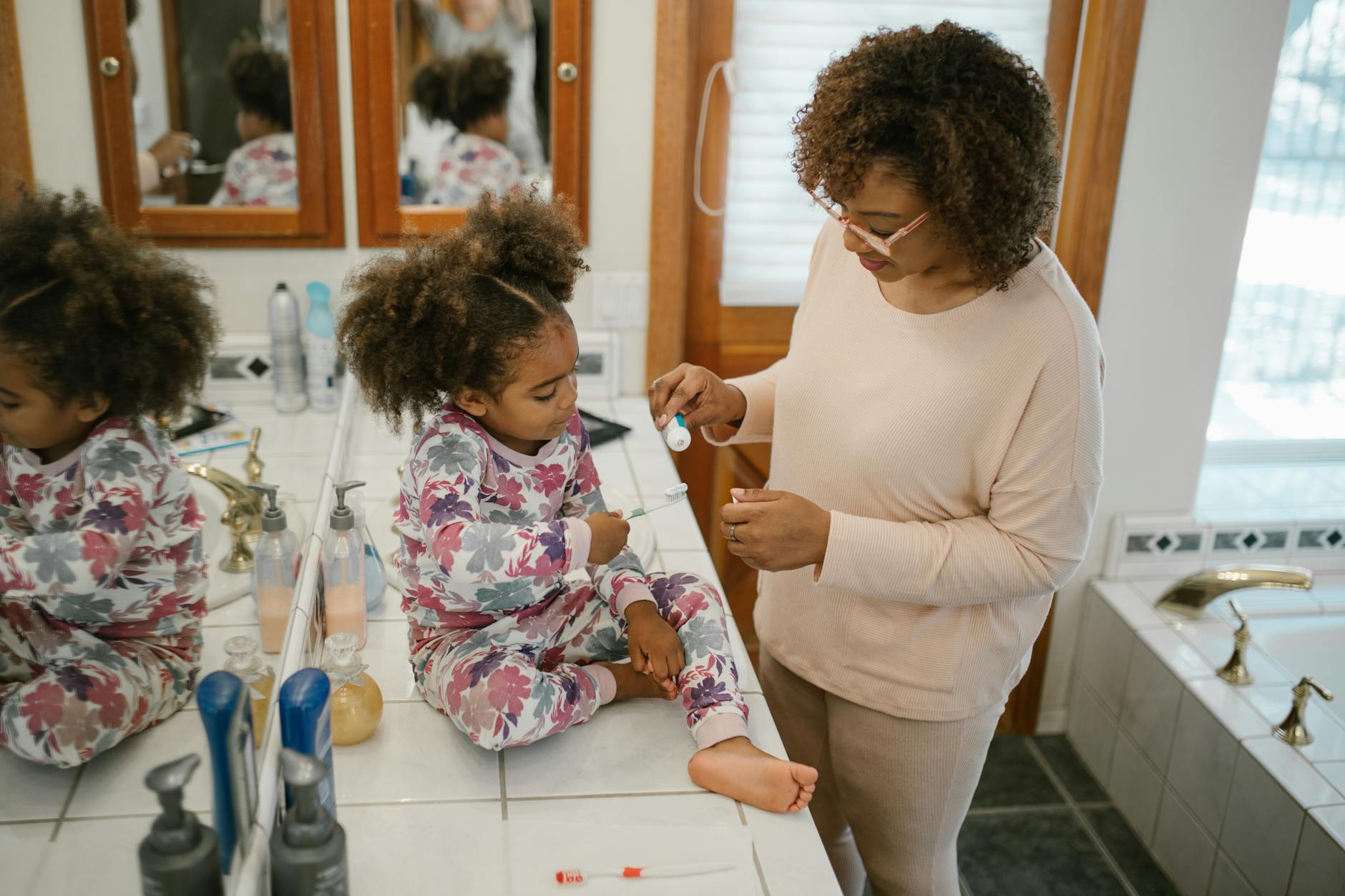
    🌿 The Short Version: If you’re trying to ditch the artificial dyes, mystery sweeteners, and fluoride from your kids’ toothpaste, you’re not alone — and you have real options. This post breaks down what to look for, what to avoid, and which fluoride-free kids’ toothpastes our family has actually tried and trusted.

    This post contains affiliate links. I may earn a small commission at no extra cost to you.

    Let me tell you how this rabbit hole started. I was standing in the toothpaste aisle at Target, reading the back of a tube of bubblegum-flavored toothpaste — the kind with a cartoon character on the front — and I counted four artificial dyes, two synthetic sweeteners, and a warning that said to call poison control if more than a pea-sized amount was swallowed.

    We’re talking about toothpaste. For children. That they put in their mouths twice a day.

    If you’re in the same headspace I was — already intentional about what’s in your home, maybe already using Grove Collaborative for your cleaning products, checking labels on sunscreen — it only makes sense that toothpaste would eventually make it onto the list. So let’s talk about it.

    Why Some Families Choose Fluoride-Free Toothpaste for Kids

    I want to be straightforward here: this is a personal decision, and I’m not here to tell you what your family should do. Our pediatric dentist knows we use fluoride-free toothpaste and we have an open, honest relationship with her. That matters.

    That said, here’s why we made the switch:

    • Fluoride is technically a pesticide and mineral that, in large amounts, is toxic. Little kids swallow toothpaste. A lot of it. Especially when it tastes like candy.
    • Dental fluorosis — white spots or streaking on permanent teeth from too much fluoride during development — is more common than most people realize.
    • We try to reduce total toxic load, not just eliminate one thing. It’s the cumulative effect that we’re thinking about across sunscreen, cleaning products, food, and yes, toothpaste.
    • There are genuinely good alternatives that clean teeth effectively using ingredients you can actually pronounce.

    If you’re already being thoughtful about what touches your kids’ skin and what they breathe in your home (we talked about this in our post on Non-Toxic Rug Cleaner Safe for Kids Crawling: What We Actually Use in Our Florida Home), then it’s worth being just as thoughtful about what goes in their mouths every single day.

    What to Look For (and Avoid) in Kids’ Toothpaste

    Ingredients to Avoid

    • Sodium Lauryl Sulfate (SLS) — a foaming agent that can cause mouth sores and irritation
    • Artificial dyes (Red 40, Blue 1, etc.) — no reason for these to exist in toothpaste
    • Saccharin or aspartame — synthetic sweeteners we avoid across the board
    • Triclosan — an antimicrobial that was actually banned from soaps but still shows up in some oral care products
    • Carrageenan — a thickener linked to gut inflammation
    • Propylene glycol — a penetration enhancer we just don’t love

    Ingredients That Are Actually Good

    • Xylitol — a natural sweetener derived from birch trees that actually inhibits cavity-causing bacteria. This is the big one.
    • Hydroxyapatite — a form of calcium that remineralizes enamel. This is what Japanese dentistry has used for decades instead of fluoride.
    • Calcium carbonate — a gentle natural abrasive that cleans without scratching
    • Coconut oil — natural antimicrobial properties
    • Baking soda — classic, effective, gentle
    • Essential oils (spearmint, peppermint, clove) — natural antibacterials and breath fresheners

    Fluoride-Free Kids’ Toothpaste Options We’ve Actually Tried

    1. Jack N’ Jill Natural Toothpaste

    This is probably the most kid-friendly fluoride-free toothpaste out there, and it’s been in our bathroom longer than anything else. It’s got xylitol, organic calendula, and comes in flavors like Strawberry and Blueberry that kids actually enjoy. No SLS, no artificial sweeteners, no fluoride. The tube is also biodegradable, which is a bonus for our low-waste-leaning household.

    Best for: Littles who are still learning to spit (because it’s genuinely safe to swallow in small amounts)

    2. Dr. Brite Kids Toothpaste

    Clean ingredient list, xylitol-based, and comes in a fun enough flavor that my kids don’t groan about brushing. Also SLS-free and certified non-toxic.

    3. Hello Kids Fluoride-Free Toothpaste

    You can find this one at most Targets and Walmarts now, which makes it accessible. It uses xylitol, has no artificial sweeteners or dyes, and the watermelon flavor is a hit. It’s not perfect — some versions do contain SLS — so read the label on the specific variety you’re grabbing.

    Best for: Families transitioning away from conventional toothpaste who want something easy to find locally

    4. Risewell Kids Hydroxyapatite Toothpaste

    This one uses hydroxyapatite instead of fluoride for remineralization, which is pretty exciting if you’re a label-reader. It’s more of an investment price-wise, but the ingredient list is one of the cleanest I’ve found for kids. Our older kids use this one.

    Best for: Older elementary kids whose permanent teeth are coming in

    5. Burt’s Bees Kids Toothpaste

    A more budget-friendly option that’s widely available. Fluoride-free, SLS-free, and made with natural flavors. Not as clean as some of the others on this list, but a solid step up from conventional.

    What About Making Your Own?

    Honestly? We’ve done it. When we were deep in a Charlotte Mason nature study week and running low on toothpaste at the same time (the chaos is real), I made a simple batch with coconut oil, baking soda, xylitol powder, and a drop of peppermint essential oil. The kids thought it was hilarious and it worked just fine.

    That said, homemade toothpaste doesn’t have quite the same remineralization support as a product formulated with hydroxyapatite or a balanced xylitol ratio. For everyday use, we stick with one of the products above. But in a pinch? Coconut oil and baking soda will not hurt your child’s teeth.

    Tying It Into the Bigger Picture

    I think about the intentional home the same way I think about our Charlotte Mason approach to learning: it’s about doing the next right thing, not doing everything perfectly all at once. We didn’t overhaul every product in our home in a weekend. We made changes slowly, as things ran out, as we learned more.

    Toothpaste happened because I was already thinking about what my kids were absorbing through their skin with sunscreen (we use non-toxic kids sunscreen), what they were drinking from (we use stainless steel water bottles), and what I was cleaning the house with. It just made sense to think about toothpaste too.

    Same way we think about our chickens’ feed — what goes in matters. (Speaking of which, if you haven’t read How to Make Homemade Chicken Feed Recipe: A Simple Guide for Backyard Flocks, that post is all about this same mindset applied to the coop.)

    We also use Wondercide for pest control around the yard and coop instead of conventional sprays — same idea. Same philosophy. Reduce what doesn’t need to be there.

    A Note on Dental Health Without Fluoride

    If you’re going fluoride-free, here’s what our family does to support strong teeth naturally:

    • Xylitol throughout the day — we keep xylitol gum or mints for after meals when brushing isn’t possible
    • Limit juice and sugary drinks — honestly the biggest cavity driver is liquid sugar
    • Remineralizing toothpaste (hydroxyapatite-based for our older kids)
    • Oil pulling for our oldest — she actually loves it, which surprised me
    • Regular dental checkups — we see a biologic/holistic-leaning dentist and I genuinely recommend seeking one out if you’re going this route

    You Don’t Have to Do It All at Once

    If toothpaste feels like one more thing on a long list, just start with one change. When the current tube runs out, replace it with a cleaner option. That’s it. That’s the whole move.

    This is the same grace I give myself with our homeschool, our garden, our chicken coop — we’re not going for perfection. We’re going for better, one small decision at a time. Down here in the Florida heat, with sand on the floor, chickens in the yard, and a labradoodle underfoot, “perfect” was never on the table anyway.

    And honestly? That’s exactly how we like it.


    📖 You Might Also Like:

    Frequently Asked Questions

    Is fluoride-free toothpaste safe for kids?

    Many families use fluoride-free toothpaste safely, especially when paired with other remineralizing strategies like hydroxyapatite toothpaste, xylitol use, and a low-sugar diet. It’s a personal decision best made with your child’s dentist. The key is finding a clean alternative that still supports enamel health rather than just skipping fluoride with no replacement strategy.

    What is hydroxyapatite toothpaste and is it as effective as fluoride?

    Hydroxyapatite is a naturally occurring form of calcium that makes up most of our tooth enamel. Studies — particularly from Japanese dentistry research — suggest it remineralizes enamel comparably to fluoride without the toxicity concerns. It’s increasingly popular in biologically-minded dental care and is a top ingredient to look for in fluoride-free toothpaste for kids.

    What is xylitol and why is it in natural kids’ toothpaste?

    Xylitol is a natural sugar alcohol derived from birch trees or corn that actually inhibits the growth of Streptococcus mutans — the main bacteria responsible for tooth decay. Unlike sugar, xylitol cannot be metabolized by cavity-causing bacteria, making it a genuinely beneficial sweetener in oral care products rather than just a flavor additive.

    What toothpaste ingredients should I avoid for my kids?

    The main ingredients many intentional families avoid include: sodium lauryl sulfate (SLS), artificial dyes like Red 40 and Blue 1, synthetic sweeteners like saccharin and aspartame, triclosan, carrageenan, and propylene glycol. Reading the full ingredient list rather than just the front label is always the move.

    Can young toddlers and babies use fluoride-free toothpaste?

    Yes — many fluoride-free options like Jack N’ Jill are specifically formulated to be safe if swallowed in small amounts, making them ideal for babies and toddlers who haven’t mastered spitting yet. Always check the specific product, as even natural toothpastes can have ingredients not suitable for infants under a certain age. A tiny smear of xylitol-based toothpaste on a soft-bristled baby toothbrush is a good starting point.

  • Non-Toxic Rug Cleaner Safe for Kids Crawling: What We Actually Use in Our Florida Home

    Non-Toxic Rug Cleaner Safe for Kids Crawling: What We Actually Use in Our Florida Home

    This post contains affiliate links. I may earn a small commission at no extra cost to you.

    If you’ve got little ones who spend half their day on the floor—building block towers, playing with toy animals, or just sprawled out looking at picture books—you’ve probably had that moment. You know the one. You’re watching your toddler mouth a toy that just touched the rug, or your baby is doing that adorable army crawl right across the carpet, and you think: What exactly did I last clean this thing with?

    I had that moment about four years ago, and it sent me down a rabbit hole I’m honestly grateful for now. Finding a non-toxic rug cleaner safe for kids crawling became a bit of an obsession—but in the best way. Because once you know better, you do better, right?

    Why Regular Rug Cleaners Aren’t Great for Crawling Babies and Kids

    Here’s the thing most of us don’t think about: conventional carpet and rug cleaners are designed to make rugs look clean and smell fresh. But those fresh scents? Usually synthetic fragrances packed with phthalates. Those stain-fighting powers? Often come from chemicals like perchloroethylene or 2-butoxyethanol—stuff linked to respiratory issues, skin irritation, and worse.

    Now imagine your baby crawling across that freshly cleaned rug, hands down, face inches from the fibers. Then those hands go straight into their mouth. Babies and young kids are especially vulnerable because their bodies are still developing, and they’re way closer to the ground (and more likely to lick things) than we are.

    In Florida, we’ve got the added challenge of humidity. Our rugs can hold onto moisture, which means they can also hold onto whatever we spray on them—and potentially grow mold or mildew if we’re not careful. So I needed something that would clean effectively, dry well in our sticky Gulf Coast air, and not leave behind anything I’d worry about my kids absorbing through their skin or breathing in.

    What to Look for in a Non-Toxic Rug Cleaner

    When I started researching, I learned to flip the bottle and actually read labels—or better yet, look for products that fully disclose their ingredients. Here’s my checklist:

    Ingredients to Avoid

    • Synthetic fragrances (“fragrance” or “parfum” on labels)
    • Chlorine bleach
    • Formaldehyde or formaldehyde-releasing preservatives
    • Phthalates
    • Triclosan
    • Optical brighteners

    Ingredients That Are Generally Safe

    • Plant-based surfactants
    • Essential oils (used sparingly and appropriately)
    • Enzymes (great for breaking down organic messes—hello, mud and mystery stains)
    • Vinegar and baking soda in DIY recipes
    • Castile soap

    Our Go-To Non-Toxic Rug Cleaning Routine

    I’m not someone who loves complicated cleaning routines. Between homeschooling, keeping the chickens happy, and making sure the dog hasn’t eaten something he shouldn’t, I need simple. Here’s what actually works for us.

    For Regular Maintenance

    I vacuum frequently—probably more than I’d like—because between the Florida sand that sneaks in and the general chaos of childhood, our rugs see a lot. For a quick refresh between deep cleans, I sprinkle baking soda on the rug, let it sit for 15-20 minutes, and vacuum it up. It deodorizes without leaving any residue behind.

    For Spot Cleaning

    We keep a simple spray bottle under the sink with a mix of water, a splash of white vinegar, and a tiny bit of castile soap. It handles most of what kids dish out—spilled milk, muddy footprints, the occasional mystery sticky spot.

    For tougher stains or when I want something I didn’t have to mix myself, I’ve been really happy with products from Grove Collaborative. They carry several plant-based carpet and rug cleaners that actually list every ingredient, and I can get them delivered right to our door—which matters when you’re not running to Target every five minutes.

    For Deep Cleaning

    A few times a year, I do a proper deep clean. I use a carpet cleaner machine (we invested in one after realizing how much we’d spend on rentals) with just hot water and a small amount of enzyme-based cleaner. The key is not to over-wet the rug and to let it dry thoroughly—I’ll run fans and open windows even though our Florida humidity fights me on this.

    The Connection to Everything Else We’re Doing

    Honestly, paying attention to what’s in our rug cleaner is part of the same philosophy that drives how we homeschool, how we eat, and how we spend our time. We’re trying to raise kids who spend their days outside catching bugs, getting dirty, and using their imaginations—like we did back in the 90s, before everyone was scared of a little mud.

    But that means the time they do spend inside matters too. If my kids are sprawled on the living room rug during our morning read-aloud, or my youngest is doing tummy time while the older kids work on nature journals, I want that space to be as safe as the backyard.

    It’s the same reason I use Wondercide for pest control around the house and yard—because we’ve got kids, a dog, and chickens all sharing the same space, and I need something that works without making me nervous. It’s all connected.

    A Note About Rugs Themselves

    While we’re talking about non-toxic rug cleaners, it’s worth mentioning that some rugs off-gas chemicals for months after you buy them. If you’re in the market for a new rug, look for ones made from natural fibers like wool, cotton, or jute—and ideally ones that haven’t been treated with stain-resistant coatings (which often contain PFAS, or “forever chemicals”).

    We have a mix of rugs in our house. Some are older and have long since off-gassed whatever they were going to. A couple are newer wool rugs I found secondhand. Starting with a cleaner rug means less work trying to clean chemicals off of it later.

    Simple Swaps, Big Peace of Mind

    I know this can all feel overwhelming when you’re first starting out. The good news? You don’t have to overhaul everything overnight. Start with one swap—maybe ditch the conventional spray cleaner for a simple DIY solution or a legit non-toxic option from Grove Collaborative.

    Once you see how easy it is, the next swap gets easier. And the next. Before you know it, you’ve got a home that feels genuinely cleaner—not just chemically “fresh,” but actually safe for little hands and knees and curious mouths.

    You’re Doing a Good Job, Mama

    If you’re here reading this, it means you care. You’re paying attention to the stuff that doesn’t make headlines but matters so much for our kids’ everyday health. That’s not being paranoid or “too crunchy”—that’s just being intentional.

    Our rugs aren’t perfect. They’ve got mystery stains I’ve given up on and probably more dog hair than I’d like to admit. But I know that when my kids plop down on them, they’re not absorbing a cocktail of chemicals through their skin. And that peace of mind? Worth every bit of the small extra effort it takes.

    Now if you’ll excuse me, someone just tracked in half the sandbox and the chickens are making their “we see you have snacks” noises at the back door. Just another Tuesday around here.

  • Non-Toxic Wound Care for Kids and Farm Animals: What We Keep in Our Natural First Aid Kit

    Non-Toxic Wound Care for Kids and Farm Animals: What We Keep in Our Natural First Aid Kit

    This post contains affiliate links. I may earn a small commission at no extra cost to you.

    If you’ve got kids who play outside the way kids should — barefoot in the backyard, climbing trees, catching bugs, and helping with the chickens — then you know scraped knees and minor wounds are just part of the deal. Add in a small flock of backyard hens who occasionally get pecked or scratched, and suddenly you’re playing nurse to both two-legged and feathered family members on a regular basis.

    I’ll be honest: when we first got our chickens a few years ago, I had no idea that wound care for poultry was even a thing I’d need to think about. But here in Florida, with our humidity, bugs, and the occasional over-enthusiastic rooster situation at the feed store, it comes up more than you’d expect. And with elementary-age kids who treat every outdoor adventure like a full-contact sport, I’ve become pretty particular about what goes on open skin — theirs and the hens’.

    Why We Switched to Non-Toxic Wound Care

    Look, I have a science background, so I’m not someone who thinks “natural” automatically means better. But when I started reading ingredient labels on common wound care products — the sprays, the ointments, the antibacterial everything — I realized a lot of them contained things I wasn’t comfortable putting on my kids repeatedly. Petroleum-based ingredients, synthetic fragrances, questionable preservatives.

    And when it comes to chickens? Many conventional products are straight-up not safe for animals that might preen the area or that you’re eventually getting eggs from. It just made sense to find solutions that worked for everyone without the ingredient concerns.

    Plus, there’s something that feels right about using simple, time-tested remedies. Our great-grandmothers didn’t have triple antibiotic ointment, and somehow humanity survived. I’m not saying modern medicine doesn’t have its place — it absolutely does — but for everyday scrapes and minor wounds, we can often do just as well with gentler options.

    Our Go-To Non-Toxic Wound Care Staples

    For the Kids

    Raw Honey: This is our number one. Raw, unprocessed honey has been used for wound care for literally thousands of years, and modern research backs it up. It’s naturally antibacterial, helps keep wounds moist for healing, and my kids don’t fight me on it because, well, it’s honey. We use a tiny dab on minor cuts and scrapes after cleaning. Just make sure it’s raw — the processed stuff from the grocery store won’t have the same properties.

    Saline Rinse: Before anything else goes on a wound, we clean it. Plain saline (salt water) is gentle and effective. I keep a small spray bottle mixed up, and it lives in our first aid kit. No stinging, no drama.

    Aloe Vera: We actually grow this in pots on our back porch — it loves the Florida sun — and it’s fantastic for minor burns, bug bites, and skin irritation. Fresh from the plant is best, but we also keep a pure aloe gel on hand for convenience.

    Calendula Salve: This is what I reach for when something needs a little protective barrier. Calendula is gentle, soothing, and has been used in herbal medicine forever. I buy it from a small maker, but you can also make your own if you’re feeling ambitious.

    For the Chickens

    Chicken wound care overlaps a lot with what we use for the kids, but there are some specifics worth mentioning.

    Vetericyn or Similar Hypochlorous Acid Spray: This is one modern product I’m fully on board with. Hypochlorous acid is actually something our own bodies produce to fight infection, and it’s safe, non-toxic, and doesn’t sting. Works great for cleaning chicken wounds without stressing them out.

    Raw Honey (Again): Yep, same stuff. Honey works beautifully on chicken wounds. We’ve used it on pecking injuries and minor cuts with great results. The hens don’t love the application process, but they tolerate it.

    Coconut Oil: For very minor scrapes or dry, irritated skin on combs and wattles, plain coconut oil is soothing and safe if they preen it.

    Blu-Kote Alternative: Traditional Blu-Kote is what a lot of chicken keepers use to cover wounds (chickens are attracted to red, so you want to disguise any bloody areas). But it’s pretty harsh stuff. I’ve switched to gentler wound sprays specifically made for poultry that accomplish the same thing without the concerning ingredients.

    If you’re newer to keeping chickens, having a good reference book on hand is invaluable. Storey’s Guide to Raising Chickens covers health and first aid extensively, and A Kid’s Guide to Keeping Chickens is perfect if your children are involved in the daily care like ours are.

    Preventing Wounds in the First Place

    Of course, the best wound care is avoiding wounds when possible. For the kids, this doesn’t mean keeping them inside or bubble-wrapping them — that’s not how we roll. But it does mean appropriate footwear for certain activities (we keep several pairs of rain boots by the back door for muddy chicken coop days) and teaching them how to handle tools and animals safely.

    For the chickens, a lot of injury prevention comes down to coop management. Making sure there’s enough space, no sharp edges on hardware cloth, and reducing stress in the flock. We also use food-grade diatomaceous earth in our coop as part of our pest prevention routine, which helps keep mites and other irritants at bay.

    And because this is Florida and the bugs here are absolutely relentless, we spray ourselves and our outdoor spaces with Wondercide. It keeps the mosquitoes and flies under control without the chemicals I don’t want on my kids or around our animals.

    Keeping It Simple and Stocked

    I keep a dedicated first aid kit in our mudroom — the room between the back door and the real world, where muddy boots and grubby kids get sorted out. It has supplies for both human and chicken emergencies, clearly labeled. Nothing fancy, just effective.

    Here’s what we always have on hand:

    • Saline spray
    • Raw honey (small jar, dedicated to first aid)
    • Calendula salve
    • Aloe gel
    • Hypochlorous acid spray
    • Gauze and vet wrap
    • Clean towels
    • Disposable gloves

    Is it a little homestead-y? Sure. But it works, and I never have to wonder what’s actually in the stuff I’m putting on an open wound.

    The Bigger Picture

    This is really just one piece of how we try to live intentionally. The same thinking that led me to non-toxic wound care is behind why we chose a Charlotte Mason approach to homeschooling, why we prioritize outdoor play over screen time, and why we keep chickens in the first place. It’s all connected — this desire to slow down, simplify, and be thoughtful about what we bring into our home and put on (and in) our bodies.

    I’m not perfect at it. We still have Band-Aids with cartoon characters, and sometimes convenience wins. But having these simple, non-toxic options as our default? That feels right for our family.

    If you’re just starting to think about this stuff — whether you’re new to backyard chickens or just looking to clean up your medicine cabinet — start small. Pick one or two swaps. See how it goes. You don’t have to overhaul everything at once.

    And if you’ve got a kiddo who comes inside with scraped knees and a jar full of beetles they caught with their bug catcher kit? Well, you’re doing something right. A little raw honey on that knee, and they’ll be back outside in no time.

    That’s the childhood we’re going for over here. Dirty fingernails, fresh eggs, and a first aid kit that I actually feel good about using.

  • Non-Toxic Lice Treatment for Kids: Natural Options That Actually Work

    Non-Toxic Lice Treatment for Kids: Natural Options That Actually Work

    This post contains affiliate links. I may earn a small commission at no extra cost to you.

    I’m going to be real with you: when I first spotted those tiny bugs in my daughter’s hair after a homeschool co-op day, I panicked. My mind immediately went to those chemical-laden treatments I remembered from my own childhood in the 90s — the ones that made your scalp burn and your eyes water. But here’s the thing: we’ve worked so hard to create a non-toxic home, and I wasn’t about to douse my kid’s head in pesticides if I didn’t have to.

    Spoiler alert: I didn’t have to. And neither do you.

    Why I Avoid Conventional Lice Treatments

    Most over-the-counter lice treatments contain pyrethroids or pyrethrins — synthetic insecticides that are designed to attack the nervous system of lice. The problem? These chemicals can also be absorbed through your child’s scalp, and many parents (myself included) aren’t comfortable with that trade-off, especially when there are effective alternatives.

    Beyond the toxicity concerns, there’s another issue: lice are becoming increasingly resistant to these chemical treatments. So you might be exposing your child to harsh ingredients that don’t even work anymore. No thank you.

    Natural Lice Treatment Options That Actually Work

    After going through this twice now (yes, twice — the joys of having social kids), I’ve learned what actually works without compromising on our family’s commitment to cleaner living.

    The Wet Combing Method

    This is old-school, and it’s still the gold standard. Our great-grandmothers did this, and honestly? It works better than most products on the market.

    Here’s what you need:

    • A good metal lice comb (the plastic ones don’t cut it)
    • Conditioner or olive oil to saturate the hair
    • A white towel or paper towels
    • Good lighting and patience
    • A movie or audiobook for your kiddo

    Saturate the hair completely with conditioner or oil, then comb through tiny sections from root to tip. Wipe the comb on the white towel after each pass so you can see what you’re removing. The oil immobilizes the lice, and the comb physically removes them along with the nits (eggs).

    We do this every three days for two weeks to catch any newly hatched lice before they can lay more eggs. Is it tedious? Yes. Does it work? Absolutely.

    Suffocation Methods: Coconut Oil and Olive Oil

    Both coconut oil and olive oil can suffocate adult lice when left on the hair for several hours or overnight. I prefer coconut oil because it has some natural antimicrobial properties and smells nicer, but olive oil works just as well.

    Coat the hair thoroughly, cover with a shower cap, and leave on for at least eight hours (we usually do overnight). In the morning, comb through with a lice comb before washing. You’ll still need to repeat this process and maintain diligent combing, but it’s a gentle, effective approach.

    Essential Oil Sprays

    Some essential oils have shown promise in repelling and even killing lice. Tea tree oil is the most studied, but rosemary, lavender, and peppermint are also commonly used. I make a simple spray with water, a little witch hazel, and a few drops of tea tree and lavender oil.

    A word of caution: essential oils are potent, and not all of them are safe for young children. Always dilute properly and do a patch test first. I don’t use essential oils on my youngest without being very careful about which ones and how much.

    Diatomaceous Earth

    Now, this one might surprise you. Food-grade diatomaceous earth is something I keep on hand for our chicken coop — it helps control mites and other pests naturally. Some families use it for lice treatment as well, though it’s a bit messier and needs to be used carefully to avoid inhalation.

    If you go this route, lightly dust it onto the hair, leave for a few hours, then wash and comb thoroughly. The microscopic particles damage the lice’s exoskeleton, causing them to dehydrate. It’s the same principle we use in the coop’s dust bath area.

    What About Prevention?

    Once you’ve dealt with an infestation, you’ll want to do everything possible to prevent another one. Here’s what’s worked for our family:

    Regular Checks

    I do a quick scalp check on the kids every week or so, especially after group activities. Good lighting and a lice comb make this easy. We’ve turned it into part of our routine — hair check, then story time.

    Tea Tree Shampoo and Spray

    We use a tea tree-infused shampoo regularly and spray a diluted tea tree solution on their hair before co-op days or playdates. There’s no guarantee this prevents lice, but some research suggests lice find the scent unpleasant.

    Teaching Good Habits

    This is the 90s kid in me talking: we teach our kids not to share hats, brushes, or hair accessories with friends. It’s not about being unfriendly — it’s just practical. Lice spread through head-to-head contact and shared items, so a little awareness goes a long way.

    Cleaning Your Home Without Toxic Sprays

    You don’t need to bomb your house with chemicals. Lice can’t survive long without a human host, so your cleaning efforts can be pretty straightforward:

    • Wash bedding and recently worn clothing in hot water
    • Dry on high heat for at least 30 minutes
    • Vacuum upholstered furniture and car seats
    • Seal stuffed animals and pillows in plastic bags for 48 hours

    For general cleaning, I love using products from Grove Collaborative — they have great non-toxic options that actually work without leaving your home smelling like a chemical plant.

    Speaking of non-toxic pest control, we use Wondercide around our home and yard for other pest issues. It’s safe for use around kids and our labradoodle, which is a huge win.

    A Note About Lice and Chickens

    I get this question a lot since we have backyard chickens: can you get lice from your flock? The short answer is no — chicken lice are species-specific and don’t infest humans. So while you might be dealing with lice issues in the coop (another post for another day), it’s completely separate from the head lice your kids might pick up.

    If you’re curious about chicken health and pest management, Storey’s Guide to Raising Chickens is an excellent resource that covers it all.

    Final Thoughts from a Tired-But-Wiser Mama

    Lice are annoying, but they’re not dangerous, and they’re definitely not a reflection of your cleanliness or parenting. They’re just part of having kids who play together, learn together, and live in community — which is a beautiful thing, even when it comes with tiny uninvited guests.

    The first time we dealt with this, I was embarrassed and overwhelmed. Now? I know it’s manageable, and I know we can handle it without reaching for harsh chemicals. That feels like a small victory in this journey of raising kids with more intention and less toxicity.

    So take a deep breath, grab your lice comb, and know that you’ve got this. Your grandma handled this without a trip to the drugstore, and so can you.

    Now if you’ll excuse me, I have some tiny braids to redo and a chicken coop to check on before the Florida afternoon storms roll in.

  • Non-Toxic Pet Shampoo for Labradoodle Sensitive Skin: What We Use (And What We Avoid)

    This post contains affiliate links. I may earn a small commission at no extra cost to you.

    If you’ve ever watched your labradoodle scratch themselves raw after a bath, you know the frustration. You’re trying to do something good — get them clean after a romp through the Florida mud or a roll in something suspicious near the chicken coop — and somehow you’ve made everything worse. Red skin, flaky patches, endless scratching. It’s heartbreaking.

    Our mini labradoodle has been part of our family for years now, and let me tell you, we learned the hard way that what goes ON our pets matters just as much as what goes IN them. The same way I started reading labels on our kids’ sunscreen and household cleaners, I eventually had to get serious about what we were bathing our dog with. And spoiler alert: most conventional pet shampoos are full of the same junk I’d never put on my children’s skin.

    Why Labradoodles Are Prone to Sensitive Skin

    Labradoodles — whether standard, medium, or mini like ours — often inherit sensitive skin from their poodle side. That gorgeous curly or wavy coat that makes them so appealing? It also traps moisture, allergens, and irritants close to the skin. Here in Northwest Florida, we’re dealing with humidity that never quits, seasonal pollen that coats everything in yellow dust, and sandy soil that works its way into every curl.

    Add in the fact that doodles often have what groomers call “high maintenance” coats that need regular washing, and you’ve got a recipe for skin problems if you’re using the wrong products.

    Our girl started showing signs of sensitivity around age two — dry patches behind her ears, pink irritated skin on her belly after baths, and that telltale excessive licking of her paws. The vet suggested allergies (helpful, right?) and wanted to put her on medication. That’s when I decided to look at what we were actually putting on her first.

    What Makes a Pet Shampoo “Non-Toxic” (And What to Avoid)

    Here’s where my science background kicks in. When I started researching non-toxic pet shampoo for labradoodle sensitive skin, I realized the pet care industry is basically the Wild West. There’s minimal regulation, and words like “natural” and “gentle” mean absolutely nothing legally.

    Ingredients to Avoid

    Sulfates (like sodium lauryl sulfate) are the biggest culprits. They’re what make shampoo foam up all pretty, but they strip natural oils from your dog’s skin and coat. For a labradoodle that already tends toward dryness? Disaster.

    Artificial fragrances are another red flag. That “fresh puppy” scent is usually a cocktail of synthetic chemicals that can trigger allergic reactions. If the label just says “fragrance” without specifying the source, I put it back on the shelf.

    Parabens, phthalates, and formaldehyde-releasing preservatives — same stuff I avoid in our family’s personal care products — have no business being on our dog’s skin either.

    What to Look For Instead

    The best non-toxic pet shampoos use plant-based cleansers, essential oils (used appropriately for pets — some are toxic to dogs, so do your research), colloidal oatmeal for soothing, and natural oils like coconut or jojoba for moisture.

    We’ve had great luck with products from Wondercide — they’re actually a Texas company, so they understand Southern climate issues, and everything they make is designed to be safe around kids and pets. Their shampoo bars last forever and don’t irritate our girl’s skin at all.

    Our Bath Day Routine

    Bath time at our house usually happens outside, which is one of the perks of Florida living. Even in January, we can usually find a warm enough afternoon to set up in the backyard. The kids think it’s hilarious, the dog tolerates it, and the chickens observe from a safe distance like judgmental little dinosaurs.

    Here’s what works for us:

    Pre-bath brush out. Those labradoodle curls need to be tangle-free before they get wet, or you’re creating felted mats. We do this on the back porch while the kids are doing nature journaling or outdoor time.

    Lukewarm water only. Hot water dries out sensitive skin even more.

    Dilute the shampoo. Even with non-toxic products, I mix a small amount with water before applying. It spreads easier and rinses cleaner.

    Rinse, rinse, rinse. Product buildup is a major cause of skin irritation. I rinse until I think I’m done, then rinse again.

    Apple cider vinegar final rinse. Once a month or so, I do a diluted ACV rinse (1 part vinegar to 4 parts water). It helps restore pH balance and adds shine to that doodle coat.

    Between Baths: Keeping Skin Healthy

    Honest truth? The less we bathe her, the better her skin does. We aim for every 3-4 weeks unless she’s gotten into something truly foul (chicken coop adventures, anyone?). Between baths, we use a few strategies:

    Regular brushing distributes natural oils and removes allergens trapped in her coat. The kids have actually taken this over as one of their responsibilities — it’s become part of our afternoon rhythm alongside checking on the hens and recording observations in our nature journals.

    Paw wipes after outdoor play. We keep a stack of damp washcloths by the back door. Quick wipe of the paws means fewer allergens tracked inside and less paw-licking later.

    Quality diet with omega fatty acids. Skin health starts from the inside. We add fish oil to her food and notice a real difference in her coat texture.

    Flea and tick prevention that isn’t toxic. We use Wondercide for this too — their yard spray and topical treatments mean we’re not putting harsh chemicals on her skin. Important when you’ve got kids who are constantly hugging and snuggling the dog.

    A Note on Florida-Specific Challenges

    Living in the Pensacola area means dealing with humidity that can lead to yeast overgrowth on sensitive dog skin, plus sand that acts like tiny pieces of sandpaper against irritated areas. Our girl also has a tendency to find every mud puddle and brackish water source when we’re out exploring nature trails.

    I’ve learned to keep her ears extra dry (doodle ears trap moisture like nobody’s business), and we do more frequent paw checks during our wet season. The same diatomaceous earth I use in the chicken coop for pest control can actually be dusted lightly on dog bedding to help with fleas naturally — just make sure you’re using food-grade.

    When to See the Vet

    Switching to non-toxic products resolved about 80% of our dog’s skin issues. But I want to be clear: sometimes sensitive skin is a symptom of something else. If you’re seeing hot spots that won’t heal, persistent ear infections, or dramatic hair loss, please see your vet. We’re not trying to replace medical care here — just reduce the toxic load on our pets the same way we do for our families.

    The Bigger Picture

    Here’s what I’ve come to believe: the way we care for every member of our household — kids, chickens, dog included — reflects our values. We’re trying to raise children who notice things, who pay attention to what’s real and true, who understand that choices have consequences. Choosing non-toxic pet shampoo for our labradoodle’s sensitive skin isn’t just about avoiding a vet bill. It’s about being intentional, reading labels, questioning what we’re sold, and making decisions based on what actually works.

    Our kids see us do this. They see us research, ask questions, try things, adjust. That’s education too — maybe the most important kind.

    If your doodle is struggling with skin issues, start simple. Swap out the shampoo, pay attention to ingredients, give it a few weeks. You might be surprised how much better things get when you remove the things causing harm.

    And hey — if you figure out how to keep them from rolling in chicken poop, let me know. That’s a problem I haven’t solved yet.

  • Non-Toxic Baby Wipes Brands Worth Buying: A Real Mama’s Guide

    Non-Toxic Baby Wipes Brands Worth Buying: A Real Mama’s Guide

    This post contains affiliate links. I may earn a small commission at no extra cost to you.

    If you’ve ever stood in the baby aisle squinting at ingredient lists while your toddler tries to escape the cart, you’re my people. I remember those early days of motherhood when I thought “fragrance-free” meant a product was safe. Spoiler alert: it doesn’t. And once you start reading labels — really reading them — you can’t unsee what’s in most conventional baby wipes.

    Here in Florida, we use wipes for everything. Sweaty summer foreheads, sandy beach feet, sticky popsicle hands, and yes — the occasional chicken coop incident when little hands get a bit too curious. Our wipes work overtime, which means whatever’s in them is touching my kids’ skin multiple times a day.

    So let’s talk about non-toxic baby wipes brands worth buying — the ones I actually keep stocked in our diaper bag, car, and that basket by the back door.

    Why Non-Toxic Baby Wipes Actually Matter

    Here’s the thing: baby wipes sit on skin. They don’t get rinsed off. Whatever ingredients are in that wipe — the preservatives, the surfactants, the mystery “fragrance” — they’re absorbing right into your little one’s body.

    Conventional wipes often contain:

    • Fragrance (which can hide hundreds of undisclosed chemicals)
    • Parabens (hormone disruptors)
    • Phenoxyethanol (a preservative linked to skin irritation)
    • Polyethylene glycol (PEGs) (often contaminated with carcinogens)

    And babies? Their skin is thinner and more permeable than ours. What goes on absolutely goes in.

    I’m not saying this to scare you — I’m saying it because once I understood the “why,” making the switch felt obvious. It’s the same reason we use Wondercide for pest control around the house and yard instead of conventional sprays. We’re building an intentional home, one small swap at a time.

    What to Look for in Clean Baby Wipes

    Before I share my favorite brands, here’s my quick checklist when evaluating any wipe:

    Ingredients That Get a Yes

    • Water (should be the first ingredient)
    • Aloe vera
    • Vitamin E
    • Chamomile or calendula
    • Coconut oil or plant-based cleansers
    • Citric acid (a natural pH adjuster)

    Ingredients That Get a Hard No

    • Fragrance or parfum
    • Parabens
    • Phthalates
    • Chlorine bleach
    • Alcohol (drying and irritating)
    • MIT/MCI preservatives

    I also look for brands that are transparent about their ingredient sourcing and manufacturing. If a company hides behind vague terms, that’s a red flag.

    My Favorite Non-Toxic Baby Wipes Brands

    After years of trial and error (and a few rashes that taught me hard lessons), these are the brands I trust:

    Water Wipes

    These are about as simple as it gets — 99.9% water and a drop of fruit extract. No funky preservatives, no fragrance, no nonsense. They’re gentle enough for newborn skin and effective enough for my kindergartner’s post-playground hands.

    The only downside? They’re on the pricier side and can dry out quickly if you don’t seal the pack well. But for diaper changes on sensitive skin, they’re gold.

    MADE OF Organic Baby Wipes

    These are USDA-certified organic and use ingredients like organic aloe and chamomile. They’re thick, sturdy, and don’t fall apart mid-wipe (you know what I’m talking about). I love that they’re also Environmental Working Group (EWG) verified.

    Caboo Tree-Free Bamboo Wipes

    If sustainability matters to you — and it does to our family — Caboo makes wipes from bamboo instead of trees. They’re fragrance-free, paraben-free, and actually hold up well. Plus, teaching our kids about resource stewardship is part of our Charlotte Mason approach. Even our wipes can be a conversation starter.

    Natracare Organic Cotton Wipes

    Natracare has been in the clean product game for decades, and their baby wipes are no exception. Made with organic cotton and certified by multiple third-party organizations, these are a great choice for families prioritizing organic materials.

    Honest Company Wipes

    I know Honest Company has had some controversy over the years, but their current wipe formula is quite clean. They’re affordable, widely available, and EWG-verified. For everyday use when you’re going through wipes like water (Florida summers, y’all), these are a solid budget-friendly option.

    Beyond the Diaper Bag: How We Use Wipes Around Here

    Let me be honest — my youngest has been potty trained for a while now, but we still go through wipes like nobody’s business. Here’s how they earn their keep in our home:

    • Nature study clean-up: After sketching in our nature journals with watercolor pencils, little hands need wiping down.
    • Post-chicken duties: When the kids help collect eggs or refill the waterer, a quick wipe handles the mess before we head inside.
    • Beach days: Sand gets everywhere. Everywhere. Non-toxic wipes plus clean sunscreen are our beach bag essentials.
    • Car stash: Because Florida heat plus snacks equals sticky situations.
    • Quick face wipes: After a sweaty afternoon of free play, sometimes a cool wipe is all we need before quiet time.

    A Note on Cloth Wipes

    I’d be doing you a disservice if I didn’t mention cloth wipes. For families ready to take the leap, reusable cloth wipes with a simple water-and-aloe solution are the most non-toxic option of all. Zero waste, zero mystery ingredients.

    We use a mix of both — cloth at home, disposable non-toxic wipes on the go. It’s about finding what works for your family without the guilt spiral.

    I get my cloth wipes wet with a homemade solution and keep them in a small wet bag. For cleaning supplies and refills, I love shopping through Grove Collaborative because they curate cleaner options and it saves me from wandering Target for an hour.

    The Bottom Line

    Switching to non-toxic baby wipes isn’t about perfection — it’s about progress. Every small swap reduces the chemical load on our kids’ bodies. And honestly? Once you find brands you trust, it becomes second nature.

    Our family’s approach to raising kids is pretty simple: more time outside, more curiosity, more getting dirty, and fewer unnecessary chemicals along the way. Whether we’re out exploring the Gulf Islands National Seashore, checking on the chickens, or just playing in the backyard with our pup, clean wipes are part of our toolkit.

    You don’t have to overhaul everything overnight. Start with one pack of cleaner wipes and see how it feels. Your little one’s skin will thank you — and so will your mama heart.

    Here’s to raising wild-rooted kids, one intentional choice at a time.

  • Non-Toxic Mold Remover Safe for Family Bathroom: What Actually Works

    Non-Toxic Mold Remover Safe for Family Bathroom: What Actually Works

    This post contains affiliate links. I may earn a small commission at no extra cost to you.

    If you live in Florida — or really anywhere with humidity — you know that bathroom mold isn’t a matter of if but when. Between our Pensacola summers that feel like living inside a warm, wet sponge and the constant battle against moisture in enclosed spaces, mold has tried to take up residence in our bathroom more times than I can count. And when you’ve got little ones splashing in the tub and brushing teeth at the sink, the last thing you want is to spray harsh chemicals all over the surfaces they touch.

    I spent way too long assuming I had to choose between actually killing mold and keeping our home non-toxic. Turns out, that’s not true at all. So let me share what I’ve learned — the hard way, as usual.

    Why Conventional Mold Removers Are a Problem

    Most commercial mold and mildew sprays contain bleach, ammonia, or other volatile organic compounds (VOCs) that can irritate lungs, trigger headaches, and leave behind residues I just don’t want my kids touching. Have you ever sprayed one of those products and immediately had to open every window and leave the room? That’s your body telling you something.

    For our family, switching to non-toxic cleaning wasn’t about perfection — it was about reducing the overall chemical load in our home. We spend so much time thinking about what goes in our bodies, but what goes on our surfaces matters too. Especially in a bathroom where everything is wet, warm, and constantly touched by little hands.

    What Actually Kills Mold Without Harsh Chemicals

    Here’s the thing: mold isn’t invincible. It just needs the right approach. These are the non-toxic options that have genuinely worked in our bathroom.

    White Vinegar

    Plain white vinegar is my first line of defense. It’s mildly acidic, which disrupts mold growth and kills most common household mold species. I keep a spray bottle of undiluted white vinegar under the bathroom sink and spray down the shower walls, grout lines, and around the base of the toilet regularly.

    The smell dissipates quickly — usually within an hour — and it’s completely safe around kids and pets. Our mini labradoodle likes to follow me around while I clean, and I never have to worry about her breathing in something harmful.

    Hydrogen Peroxide

    For more stubborn spots, 3% hydrogen peroxide (the kind you probably already have in your medicine cabinet) works beautifully. Spray it directly on the mold, let it sit for 10-15 minutes, then scrub with a brush. It’s antifungal, antibacterial, and breaks down into just water and oxygen.

    I love this for the grout between our floor tiles — that’s always the first place mold tries to creep in during Florida’s rainy season.

    Baking Soda Paste

    For textured surfaces or really stubborn grout mold, I make a paste with baking soda and a little water. Apply it, let it sit, scrub, and rinse. It’s gentle enough not to scratch surfaces but abrasive enough to physically remove mold. Plus, baking soda naturally absorbs odors, which is a nice bonus in a bathroom.

    Tea Tree Oil Solution

    Tea tree oil is a powerful natural fungicide. I add about 10-15 drops to a spray bottle filled with water and use it as a preventative spray after showers. The smell is strong and medicinal, but I’ve grown to associate it with clean. A little goes a long way.

    Products That Make Non-Toxic Cleaning Easier

    I’ll be honest — some days I don’t have time to mix up homemade solutions. For those days, having good products on hand makes all the difference.

    Grove Collaborative has been my go-to for stocking up on non-toxic cleaning supplies. They carry concentrated cleaners, refillable bottles, and brands that actually meet my standards without me having to read every single ingredient label. It’s also nice to have everything delivered so I’m not wandering Target with three kids trying to comparison shop.

    I also use Wondercide products throughout our home — primarily for pest control, but their plant-based formulas remind me that effective doesn’t have to mean toxic. Same philosophy applies to cleaning.

    Prevention: The Best Mold Strategy

    Killing mold is one thing. Keeping it from coming back is where the real work happens. Here’s what’s made the biggest difference for us:

    Run the exhaust fan. During every shower and for at least 20 minutes after. This is non-negotiable in Florida humidity.

    Squeegee the shower walls. It takes 30 seconds and removes the moisture mold needs to grow. We hung a simple squeegee on a suction hook and even the kids help with this now.

    Wash bath mats weekly. They hold so much moisture. I toss ours in the wash with hot water and a little vinegar in the rinse cycle.

    Keep surfaces dry. Wipe down the sink and counter after morning routines. It sounds tedious but becomes automatic after a while.

    Check for leaks. That slow drip under the sink? It’s a mold invitation. Fix it sooner rather than later.

    Our Whole-Home Approach to Non-Toxic Living

    Switching to a non-toxic mold remover was just one piece of our family’s shift toward more intentional living. It started when my oldest was a toddler and I realized I couldn’t control everything — but I could control what I brought into our home.

    The same philosophy guides how we homeschool (Charlotte Mason all the way, with lots of time outside), how we care for our backyard chickens (we use food-grade diatomaceous earth in their coop for natural pest control), and how we spend our days. Less stuff, more intention. Fewer chemicals, more fresh air.

    When the kids come inside covered in dirt from the backyard or mud from a nature walk, I want to clean up after them with products that are as gentle as the life we’re building. Not because I’m trying to be perfect, but because it just makes sense.

    What About Serious Mold Problems?

    I want to be clear: these methods work beautifully for surface mold — the pink stuff in the shower, the black spots on grout, the mildew around the tub caulk. If you’re dealing with mold inside walls, under flooring, or covering large areas, please call a professional. That’s a health hazard that goes beyond DIY cleaning.

    But for everyday bathroom maintenance? You don’t need the harsh stuff. I promise.

    Simple Is Usually Better

    If there’s one thing I’ve learned from years of trying to live more naturally — whether it’s in our homeschool approach, our backyard, or our cleaning routine — it’s that simple usually wins. Vinegar, hydrogen peroxide, baking soda, and a little consistency go a long way.

    Your bathroom can be mold-free and safe for your family. You don’t have to choose. And honestly? Knowing I’m not filling our home with chemical fumes while I scrub the shower makes the whole chore feel a little less annoying.

    Now if someone could just invent a non-toxic solution for getting kids to actually hang up their wet towels, I’d be all set.

  • Non-Toxic Window Cleaner: A Safe DIY Recipe That Actually Works

    Non-Toxic Window Cleaner: A Safe DIY Recipe That Actually Works

    This post contains affiliate links. I may earn a small commission at no extra cost to you.

    If you’ve ever stood in the cleaning aisle, squinting at ingredient labels and wondering why a simple glass cleaner needs seventeen unpronounceable chemicals, you’re my people. I remember the moment I really started paying attention — my youngest was maybe three, pressing her little nose against the sliding glass door to watch the chickens, and I realized she was basically inhaling whatever I’d just sprayed on that glass. That was the day I started making my own non-toxic window cleaner, and I haven’t looked back since.

    Here in Florida, between the humidity, the pollen, and the fact that my kids treat our windows like a canvas for their sticky fingerprints, I clean glass a lot. I needed something that actually worked, not just something that made me feel virtuous while leaving streaks everywhere. After years of tweaking, I’ve landed on a recipe that genuinely does the job — and I can let my kids help without worrying about what they’re breathing in.

    Why Ditch the Store-Bought Stuff?

    Most conventional glass cleaners contain ammonia, synthetic fragrances, and a cocktail of chemicals that can irritate respiratory systems, trigger headaches, and contribute to indoor air pollution. And here’s the thing that got me: indoor air quality is often worse than outdoor air, especially in our homes where we’re trying so hard to create healthy environments for our families.

    When you’re homeschooling — and let’s be honest, when your kids are home all day — what’s in your air matters. We open our windows as much as Florida’s heat allows, but I still want to know that what I’m using to clean isn’t working against all our other efforts.

    Plus, if you’re already shopping at places like Grove Collaborative for cleaner household products (I love them for dish soap and hand soap), making your own glass cleaner is just the natural next step. It’s cheaper, simpler, and honestly? It works better than anything I’ve bought.

    The Recipe: Simple, Safe, and Streak-Free

    Here’s what I use:

    Ingredients

    • 1 cup distilled water
    • 1 cup white vinegar
    • 1 tablespoon rubbing alcohol (70% or higher)
    • Optional: 3-5 drops essential oil (I like lemon or peppermint)

    Instructions

    1. Combine all ingredients in a clean spray bottle

    2. Shake gently before each use

    3. Spray onto glass and wipe with a lint-free cloth or newspaper

    4. That’s it. Seriously.

    Why These Ingredients Work

    Distilled water prevents mineral deposits and streaking. If you’ve ever used tap water and ended up with spots, that’s the minerals. Distilled water is cheap and makes a real difference.

    White vinegar cuts through grease, grime, and hard water spots. The smell dissipates quickly, I promise — within a few minutes, you won’t notice it at all.

    Rubbing alcohol helps the solution evaporate quickly, which is key for a streak-free finish. It also boosts the cleaning power.

    Essential oils are totally optional, but a few drops of lemon oil makes the whole experience a little nicer and adds some extra grease-cutting power.

    Tips for the Best Results

    I learned a few things the hard way, so let me save you the trial and error:

    Don’t Clean in Direct Sunlight

    This is especially important here in Northwest Florida where the sun is intense. If you spray your windows while they’re in full sun, the solution evaporates too fast and you’ll end up with streaks. Early morning or late afternoon works best, or just hit the shaded windows first.

    Use the Right Cloth

    Microfiber cloths work beautifully, but so does crumpled newspaper if you want to go really old-school (and save money). Avoid paper towels — they leave lint behind and you’ll end up frustrated.

    Clean the Frames Too

    I use the same solution on our window frames and tracks. With Florida’s humidity, mold loves to creep into those corners. A quick spray and wipe keeps things fresh. I also sprinkle a little food-grade diatomaceous earth into the tracks occasionally — it helps with any tiny bugs that try to make their way in, completely naturally.

    Getting the Kids Involved

    One of the unexpected joys of non-toxic cleaning is that I can actually let my kids help. My oldest loves spraying things (what kid doesn’t?), and window cleaning has become one of her regular contributions to our household rhythm. She’s old enough now to do the lower windows herself, and she takes genuine pride in making them sparkle.

    This is part of what we’re trying to cultivate, right? Kids who know how to take care of a home, who feel capable and useful, who understand that real life involves real work. It’s very Charlotte Mason — the whole idea of habit training and contributing meaningfully to family life. Plus, it frees me up to tackle other things, like keeping our chicken coop clean or planning next week’s nature study.

    Speaking of nature study — clean windows matter when you’re trying to do bird watching from your kitchen table. We keep Sibley’s bird guide near the back door, and there’s nothing more frustrating than trying to identify a bird through smudgy glass while it flies away.

    Beyond Windows: Other Uses for This Recipe

    This same solution works beautifully on:

    • Mirrors
    • Glass picture frames
    • Glass-top tables
    • Stainless steel appliances (spray on cloth first, then wipe)
    • The inside of your car windshield

    I keep a bottle under the kitchen sink and another in the bathroom. It lasts for months since the ingredients are so inexpensive.

    What About Really Tough Jobs?

    For seriously grimy windows — like after a Florida storm kicks up dirt and debris — I sometimes do a two-step process. First, I wipe down with a damp cloth to remove the heavy stuff, then follow up with the DIY cleaner for the finishing touch. It sounds like more work, but it actually goes faster because you’re not pushing around all that grime.

    For hard water stains (a real issue here with our well water), let the vinegar solution sit for a minute or two before wiping. The acetic acid needs a little time to dissolve those mineral deposits.

    A Simpler, Safer Home

    Switching to homemade cleaners was one of the first steps in our journey toward a more intentional home. It wasn’t about being perfect or crunchy or earning some kind of natural-mama badge. It was about looking at the small, everyday choices and asking, “Is there a better way?”

    Most of the time, there is. And most of the time, it’s simpler and cheaper than what we were doing before.

    Our home isn’t Instagram-perfect. There are chicken feathers that drift in when we open the back door, and the dog tracks in sand from the yard, and my kids’ nature collections take up more shelf space than I’d like to admit. But the glass is clean, the air is fresh, and I don’t worry about what my family is breathing while they press their noses against the window to watch a mockingbird.

    That feels like enough.

    If you’re just starting to transition toward a non-toxic home, this is a perfect first project. It takes five minutes, costs almost nothing, and gives you an immediate win. And once you see how easy it is, you’ll start wondering what else you can simplify.

    That’s the beauty of this whole thing — it builds on itself, one small choice at a time.

  • Non-Toxic Shoe Spray for Family Odor Elimination: What Actually Works

    Non-Toxic Shoe Spray for Family Odor Elimination: What Actually Works

    This post contains affiliate links. I may earn a small commission at no extra cost to you.

    If you’ve ever peeled off a kid’s sneaker after a long Florida afternoon and wondered how something so small could smell so aggressive — friend, you are not alone. Between the humidity down here in Northwest Florida, the hours spent running barefoot through the yard, and the inevitable chicken coop visits in whatever shoes happen to be closest to the back door, we have a situation in our mudroom.

    And I’ll be honest: for a while, I just accepted it. Stinky shoes were part of having active kids, right? But as I started making more intentional choices about what we bring into our home — cleaning products, personal care items, even the sprays we use around our pets — I realized I didn’t want to blast our shoes with whatever mystery chemicals came in those aerosol cans from the store.

    So I went down the rabbit hole. And I’m here to tell you what I’ve learned about non-toxic shoe spray for family odor elimination, what actually works, and what’s just marketing fluff.

    Why Traditional Shoe Sprays Made Me Nervous

    Most conventional shoe deodorizers rely on synthetic fragrances and antimicrobial chemicals to mask or eliminate odors. When you look at the ingredient lists — if you can even find them — you’ll often see things like triclosan, parabens, and fragrance blends that can contain dozens of undisclosed compounds.

    Now, I’m not here to fear-monger. But as someone with a science background who’s spent years learning to read labels, I just don’t love the idea of my kids sliding their bare feet into shoes that have been coated with ingredients I can’t pronounce or research. Especially when those same kids are tracking through our house, lying on the floor to play, and yes — occasionally putting their feet places feet shouldn’t go.

    Plus, we have our mini labradoodle who likes to steal shoes. The last thing I need is her chewing on something sprayed with who-knows-what.

    What Actually Causes Shoe Odor (And Why It Matters)

    Here’s the thing: shoe smell isn’t really about sweat. It’s about bacteria. When feet sweat (and boy, do they sweat in Florida humidity), that moisture creates the perfect environment for bacteria to thrive. Those bacteria break down the sweat and produce the lovely odor we all know and love.

    So an effective shoe spray needs to do one of two things: either kill or inhibit the bacteria, or neutralize the odor compounds they produce. Ideally both.

    This is why just spraying perfume into a shoe doesn’t work — you end up with floral-scented funk, which is arguably worse.

    Non-Toxic Ingredients That Actually Work

    After testing various options and doing way too much research, here are the ingredients I look for in a truly effective, family-safe shoe spray:

    Essential Oils with Antimicrobial Properties

    Tea tree, eucalyptus, peppermint, and thyme oils have all been studied for their antimicrobial effects. They’re not just nice-smelling — they actually help address the bacterial situation. I love that these are the same types of ingredients I see in other products I trust, like Wondercide, which we use around the house and on our dog.

    Baking Soda

    Old school and effective. Baking soda neutralizes acidic odor compounds and absorbs moisture. Some sprays incorporate it in liquid form.

    Alcohol (Ethanol or Isopropyl)

    A small amount of alcohol helps kill bacteria on contact and evaporates quickly, which is important because you don’t want to add more moisture to the shoe situation.

    Zinc-Based Compounds

    Some natural deodorizers use zinc ricinoleate (derived from castor oil), which traps odor molecules rather than just covering them up.

    Our Current Shoe Spray Routine

    I’ll be real with you — I’ve tried a lot of products, and I’ve also made my own. Here’s what our routine looks like now:

    For daily maintenance: I do a quick spray with a DIY mixture of distilled water, witch hazel, and essential oils (tea tree and peppermint are my go-tos). I keep it in a small glass spray bottle by the back door.

    For deeper cleaning: About once a week, especially for the sneakers that see the most action, I sprinkle in some baking soda, let it sit overnight, and shake it out in the morning. Old school, yes. Effective, absolutely.

    For shoes that have gone to the dark side: Sometimes a shoe is just too far gone, especially those rain boots that got left outside with water in them (don’t ask). In those cases, I’ll put them in direct sunlight for a few hours. UV light is a natural antimicrobial, and here in Florida, we have plenty of it.

    Making Your Own Non-Toxic Shoe Spray

    If you want to try the DIY route, here’s the simple recipe I use:

    Ingredients:

    • 1/2 cup distilled water
    • 1/4 cup witch hazel or vodka
    • 15-20 drops essential oil (tea tree, eucalyptus, or peppermint)

    Instructions:

    1. Combine in a glass spray bottle

    2. Shake well before each use

    3. Spray inside shoes and let dry completely before wearing

    That’s it. The witch hazel or vodka helps the mixture dry faster and adds antibacterial properties. The essential oils do the heavy lifting on odor and bacteria.

    Prevention: The Best Odor Eliminator

    Of course, the best approach is preventing the stink in the first place. A few things that have helped in our house:

    Rotate shoes. Kids don’t need fifteen pairs of shoes, but having at least two pairs to alternate lets each pair dry out completely between wears.

    Go barefoot when possible. This is the 1990s childhood hill I will die on. Kids’ feet need to breathe, and honestly, mine are happiest running through the backyard barefoot anyway. We save the shoes for when we actually need them.

    Choose breathable materials. Canvas and leather breathe better than synthetic materials. When it’s time for new sneakers, I try to keep this in mind.

    Air them out. We don’t store shoes in a closed closet. They live on a rack near the back door where air can circulate — and where I can grab them quickly when I need to chase someone away from the chicken coop.

    A Note on Natural Products You Can Buy

    If DIY isn’t your thing (no judgment — some seasons of life are just about survival), there are good ready-made options out there. Look for brands that are transparent about ingredients and avoid synthetic fragrances. I like to shop at places like Grove Collaborative when I need to stock up on non-toxic home products because they vet brands for ingredients, and I don’t have to spend twenty minutes reading labels in a store aisle.

    The Bigger Picture

    Honestly, stinky shoes aren’t the end of the world. In the grand scheme of raising kids who play hard, get dirty, and actually use their bodies — a little foot odor is a sign of a life well-lived.

    But I also believe we can address these little everyday problems without bringing a bunch of unnecessary chemicals into our homes. It doesn’t have to be complicated or expensive. Sometimes the simplest solutions — baking soda, sunshine, essential oils — are the ones that actually work.

    So if you’re standing in your mudroom right now, wondering if those sneakers can be saved, take heart. Grab some witch hazel and tea tree oil, let those babies air out in the Florida sun, and know that you’re not the only mama dealing with this particular joy of raising wild-rooted kids.

    Now if you’ll excuse me, I need to go rescue a sandal from the dog.

  • Non-Toxic Grout Cleaner Safe for Your Family Home (Simple DIY Recipe Inside)

    This post contains affiliate links. I may earn a small commission at no extra cost to you.

    If you’ve ever gotten down on your hands and knees to scrub grout while your kids play nearby—and then caught a whiff of whatever chemical concoction you just sprayed—you know that gut feeling. The one that whispers, this can’t be good for us.

    I had that moment a few years ago in our Florida home. The humidity here is relentless (you know what I’m talking about if you live anywhere near the Gulf), and our tile floors seemed to grow mildew in the grout lines faster than I could keep up. I was reaching for the heavy-duty stuff, the kind with warning labels and “ensure adequate ventilation” instructions, while my kids ate snacks at the kitchen table ten feet away.

    That was my wake-up call. If I was going to create an intentional, non-toxic home for our family, the grout cleaner had to go.

    Why I Stopped Using Commercial Grout Cleaners

    Here’s what I learned when I actually started reading labels: most conventional grout cleaners contain chlorine bleach, ammonia, or other volatile organic compounds (VOCs) that can irritate respiratory systems, trigger headaches, and linger in your home’s air long after you’ve finished cleaning.

    For a family with elementary-age kids who spend a lot of time on the floor—building with blocks, sprawling out with picture books, or just being kids—that didn’t sit right with me. And honestly? Our dog spends even more time down there than the children do.

    The thing is, we work hard to keep our home as clean and healthy as possible. We’re already mindful about what we bring into our space, from the cleaning products we use from Grove Collaborative to the way we handle pest control with Wondercide instead of conventional sprays. It didn’t make sense to undo all of that with a grout cleaner that made my eyes water.

    The Simple Non-Toxic Grout Cleaner That Actually Works

    After trying a few Pinterest recipes that left me underwhelmed, I landed on a combination that genuinely gets the job done—even on Florida humidity-level grime.

    What You’ll Need:

    • 1/2 cup baking soda
    • 1/4 cup hydrogen peroxide (the regular 3% kind from the drugstore)
    • 1 teaspoon dish soap (I use a plant-based one)
    • A stiff-bristled brush or old toothbrush
    • A spray bottle with plain water

    How to Make It:

    Mix the baking soda and hydrogen peroxide in a small bowl until it forms a paste. Add the dish soap and stir to combine. That’s it—you’re done.

    How to Use It:

    Spread the paste along your grout lines with your brush or even just your fingers (it’s gentle enough that you don’t need gloves, though I usually wear them anyway). Let it sit for 5-10 minutes. For really stubborn spots, I’ll leave it for 15.

    Then scrub. The baking soda provides gentle abrasion while the hydrogen peroxide does the heavy lifting on mildew and stains. Spray with plain water and wipe clean with a damp cloth.

    Honestly? It works better than the commercial stuff I used to buy, and my house doesn’t smell like a swimming pool afterward.

    A Few Tips From Trial and Error

    Make it fresh each time. Hydrogen peroxide breaks down when exposed to light and air, so this isn’t a “make a big batch and store it” kind of recipe. I just mix up what I need for each cleaning session.

    Spot test first. This is gentle, but if you have colored grout or natural stone tile, test in an inconspicuous area first. Hydrogen peroxide can lighten some materials.

    Don’t skip the wait time. I know it’s tempting to scrub immediately, but letting the paste sit is what makes this actually effective. Pour yourself some coffee, check on the chickens, flip through your homeschool plans for the week. It’ll be ready when you get back.

    Seal your grout afterward. Once you’ve done a deep clean, consider applying a grout sealer to make future cleaning easier. This is especially helpful in humid climates like ours here in Northwest Florida.

    Keeping a Non-Toxic Home With Kids (It’s Simpler Than You Think)

    I used to think that “non-toxic” meant complicated, expensive, or less effective. But the longer we’ve lived this way, the more I’ve realized it’s actually simpler. Baking soda, vinegar, hydrogen peroxide, castile soap—these basic ingredients handle most of our cleaning needs.

    And here’s what I love most: my kids can be around when I clean. They can help, even. My oldest has started taking on some household responsibilities, and I don’t have to worry about her handling something that could hurt her. That’s the whole point of building an intentional home, isn’t it? Creating a space where our families can thrive without hidden hazards.

    This same philosophy carries over into everything we do—from the diatomaceous earth we use in the chicken coop to keep pests down naturally, to the way we handle bug bites and outdoor play. Speaking of which, if your kids are anything like mine and spend half their lives outside getting muddy, you might want to grab some good rain boots for kids—ours get worn year-round between Florida’s rainy season and all the puddle stomping that happens around here.

    When You Need Something Stronger

    Look, I’m not going to pretend this paste will fix grout that’s been neglected for years or handle serious mold issues. If your grout is black and nothing seems to touch it, you might be dealing with a moisture problem that needs addressing at the source, or grout that needs to be professionally cleaned or replaced.

    But for regular maintenance? For keeping on top of the everyday grime that accumulates in a home with kids, pets, and muddy shoes tracking in from the backyard? This simple recipe has been a game-changer for us.

    It’s About Progress, Not Perfection

    If you’re just starting to transition to a non-toxic home, cleaning products are one of the easiest places to begin. You don’t have to overhaul everything at once. Start with one swap—maybe this grout cleaner, maybe switching to a cleaner household line like Grove Collaborative—and build from there.

    Our family has been on this journey for years now, and we’re still learning. Still tweaking. Still figuring out what works for our particular home and our particular kids. But every small change adds up to a healthier space for everyone.

    So the next time you’re staring down dingy grout lines and reaching for a spray bottle, maybe give this a try instead. Your lungs (and your kids’ lungs, and your dog’s lungs) will thank you.

    And if you’ve got a non-toxic cleaning trick that’s worked for your family, I’d love to hear about it. We’re all in this together, friend.