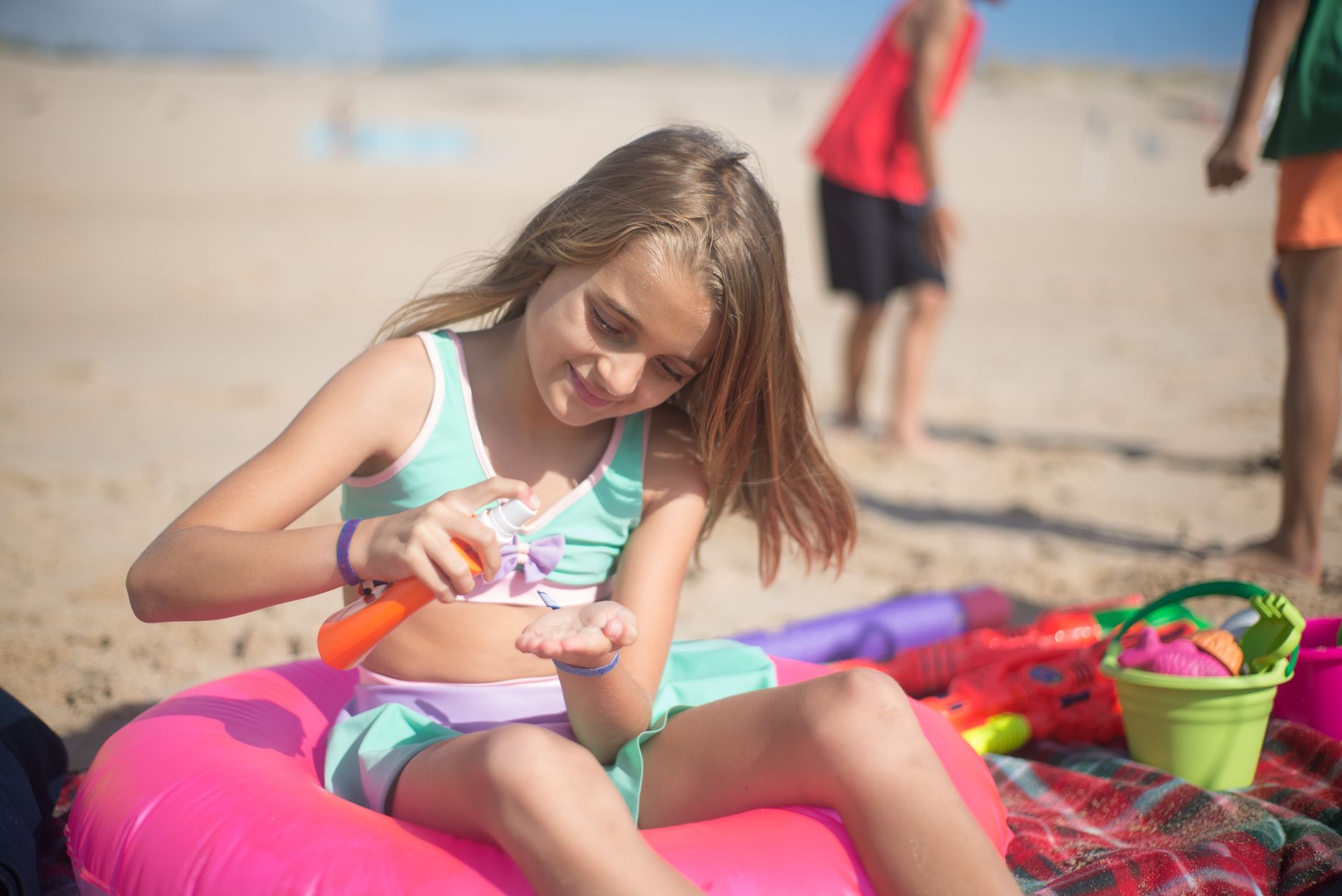
Non-Toxic Kids Sunscreen Stick Honest Review (What We Actually Use in the Florida Sun)
This post contains affiliate links. I may earn a small commission at no extra cost to you.
If you’ve spent any time in a Pensacola summer — or really anywhere along the Florida Panhandle — you already know the sun here is not playing around. By 9am it feels like the surface of the sun, and my kids are outside constantly. Feeding the chickens, digging in the garden, chasing the labradoodle around the yard, hunting for bugs. That’s just Tuesday.
So yeah, sunscreen is not optional in our house. But when I started actually reading the ingredients on the bottles we’d been slathering on our kids without a second thought? I had a full-on label-reading spiral. Oxybenzone. Avobenzone. Homosalate. These are endocrine-disrupting chemicals that absorb into the bloodstream — and the EWG has flagged most of them for years. Once you know, you can’t un-know.
But here’s the thing: switching to “clean” sunscreen can feel like a minefield of white-cast sticks, greasy formulas, and products that smell like a health food store in 1987. I’ve tried a lot of them so you don’t have to. Here’s my honest take.
Why Sunscreen Sticks Specifically?
For wriggly, busy kids — especially the elementary-aged ones who do NOT stand still — sticks are a game changer. There’s less mess, less waste, and I can actually get it on a moving target. No lotion drips, no fighting over whether their face is covered. I swipe it on and they bolt back outside.
Sticks also travel better in our nature study bag alongside our nature journal and pocket microscope. When we’re out doing a bird walk with the Sibley Birds guide and I need to reapply mid-trail, a stick is just easier. It’s practical, and I’m all about practical.
What to Actually Avoid (The Short List)
You don’t need a chemistry degree, but here are the biggies to skip:
- Oxybenzone — hormone disruptor, absorbs into bloodstream, also harmful to coral reefs
- Octinoxate — similar issues, banned in some areas for reef damage
- Homosalate — disrupts hormone function, found in many “sport” formulas
- Fragrance/parfum — catch-all term that can hide hundreds of chemicals
- Retinyl palmitate — a form of vitamin A that may speed up skin damage in the sun (yes, really)
The safe actives we want to see? Non-nano zinc oxide and/or titanium dioxide. These are mineral-based, sit on top of the skin rather than absorbing into it, and have a long safety record. Non-nano means the particles are large enough that they won’t penetrate the skin — that detail matters.
I’ve got a lot more on this topic in my post on Non-Toxic Sunscreen for Babies Under 6 Months if you want the deeper dive.
What I Look for in a Non-Toxic Sunscreen Stick
Beyond clean ingredients, here’s my practical checklist:
- SPF 30-50 — 30 is genuinely sufficient with proper reapplication, but in Florida I usually grab 50 for outdoor days
- Water resistant — because sweat and splash are a given
- No white ghost cast — this is the big one. Some zinc sticks leave your kids looking like they face-painted for Halloween.
- Doesn’t pill under clothing — nothing worse than sunscreen balling up on a shirt
- Smells neutral or pleasant — artificial fragrance is out, but a light beeswax or coconut smell? We can work with that.
- Easy to apply on a squirmy kid — the stick form has to actually glide, not drag
Our Honest Reviews: The Non-Toxic Sunscreen Sticks We’ve Actually Tried
The Ones We Keep Buying
Non-toxic kids sunscreen sticks — I know this sounds vague, but this link is a solid starting point to search what’s current and well-reviewed. The market changes, formulas get updated, and Amazon’s search will show you what’s trending in the clean space right now. I always sort by rating and then go read the 3-star reviews first — those tell you the truth.
What we’ve personally loved:
- Badger Kids Sunscreen Stick — This is probably our most-reached-for. SPF 40, certified natural, smells faintly of chamomile. My daughter actually likes putting it on herself. Minor white cast but nothing dramatic — it absorbs reasonably well if you rub it in.
- Think Baby / Think Sport Stick — Great for active outdoor days. Goes on smooth, no weird smell, water resistant. Works really well for faces.
- Kokua Sun Care Zinc Sunscreen Stick — A little pricier but the texture is genuinely nice. No white cast at all. This one I use on my own face.
What Didn’t Work for Us
I won’t call out brand names in the “avoid” category, but here’s what steered me away from certain products:
- Sticks that left a thick, visible white film that my son refused to wear to his co-op because “it looks like chalk”
- Sticks with “natural fragrance” listed — that phrase is still not fully regulated and can hide synthetic ingredients
- One brand that technically had clean ingredients but smelled so strongly of essential oils that it gave me a headache within ten minutes
Real Life: How We Actually Use Sunscreen in Our Daily Routine
Our mornings in the warmer months — which is basically ten out of twelve months here in the Panhandle — start with sunscreen as part of getting dressed. It’s just a step, like shoes. We keep the stick on the kitchen counter, not buried in a cabinet somewhere, because visible equals actually used.
We do a “swipe and rub” on faces, ears, and the back of the neck before anyone goes outside to do morning chicken chores. Then we reapply midday if we’re heading out for nature walk time or yard time. The stick makes reapplication a 30-second thing instead of a whole production.
And because we’re outside with minimal clothing half the year, I do pair the sunscreen with lightweight UPF clothing and hats on really intense days. Sunscreen is great but it’s not the only tool.
If you want to see how we think about outdoor toxin exposure more broadly, I wrote a whole room-by-room breakdown in How to Detox Your Home from Toxins Room by Room. Sunscreen fits right into that bigger picture of reducing our daily toxic load.
A Quick Note on the 1990s Kid vs. Today
I grew up in the generation where sunscreen was whatever was in the big orange bottle, applied once, never reapplied, and definitely not worried about. And I turned out fine — but we also didn’t have the research we have now. Knowing better means doing better, and that’s not preachy, that’s just parenting.
The goal isn’t perfection. We still miss spots. My son occasionally escapes out the back door before I’ve gotten to him. But making the swap to cleaner sunscreen is genuinely one of the easier non-toxic swaps we’ve made — not expensive, not complicated, just a different product in the same routine.
For more on how we think about Raising Kids Without Screens and maximizing that outdoor time intentionally, that post is a good companion read to this one.
Bottom Line
A good non-toxic sunscreen stick doesn’t have to cost a fortune or perform like a science experiment. Look for non-nano zinc oxide, skip the hormone-disrupting chemicals, and find a formula that your kids will actually tolerate on their faces. That last part might take some trial and error — but it’s worth it.
We’ve been using clean sunscreen for a few years now and honestly? Once you make the switch you stop thinking about it. It just becomes normal. And that’s the best kind of healthy habit — one you don’t have to white-knuckle every single day.
If you’ve got a stick you love that I haven’t mentioned, drop it in the comments. I’m always looking for new ones to try, especially anything that works well in serious Florida heat and humidity. We put these things through their paces down here, y’all.
📖 You Might Also Like:
- Non-Toxic Sunscreen for Babies Under 6 Months (What’s Actually Safe and What to Skip)
- How to Detox Your Home from Toxins Room by Room (A Real Family’s Guide to Getting Started)
- Raising Kids Without Screens: What We Actually Do Every Day
Frequently Asked Questions
Are sunscreen sticks as effective as sunscreen lotion for kids?
Yes, when applied properly and rubbed in well, sunscreen sticks are just as effective as lotion. The key is making sure you apply enough — sticks can sometimes encourage under-application. Go over the area a couple of times and rub it in thoroughly, especially on the face.
What makes a sunscreen stick ‘non-toxic’ for kids?
A non-toxic kids sunscreen stick uses mineral-based active ingredients — typically non-nano zinc oxide and/or titanium dioxide — instead of chemical UV filters like oxybenzone, octinoxate, or homosalate, which have been linked to hormone disruption and skin absorption concerns. It should also be free of synthetic fragrance and parabens.
Do non-toxic mineral sunscreen sticks leave a white cast?
Some do, some don’t — it depends heavily on the formula. Many mineral sticks have improved significantly in the last few years. Brands like Kokua and Think Baby tend to have less white cast than older-style zinc formulas. Rubbing it in well rather than just swiping and leaving it also helps reduce the white appearance.
What SPF should I use on my kids in Florida?
SPF 30 offers about 97% UVB protection and is generally considered adequate when reapplied every two hours and after swimming or sweating. In intense Florida sun, many parents (including us) prefer SPF 40-50 for extra peace of mind, especially during peak sun hours between 10am and 3pm.
How often should I reapply sunscreen on kids who are playing outside?
The general recommendation is every two hours, and immediately after swimming or heavy sweating — even if the product is labeled water resistant. Water-resistant formulas typically maintain protection for 40 to 80 minutes of water exposure, after which reapplication is needed. Setting a phone timer helps make this a consistent habit.
Leave a Reply