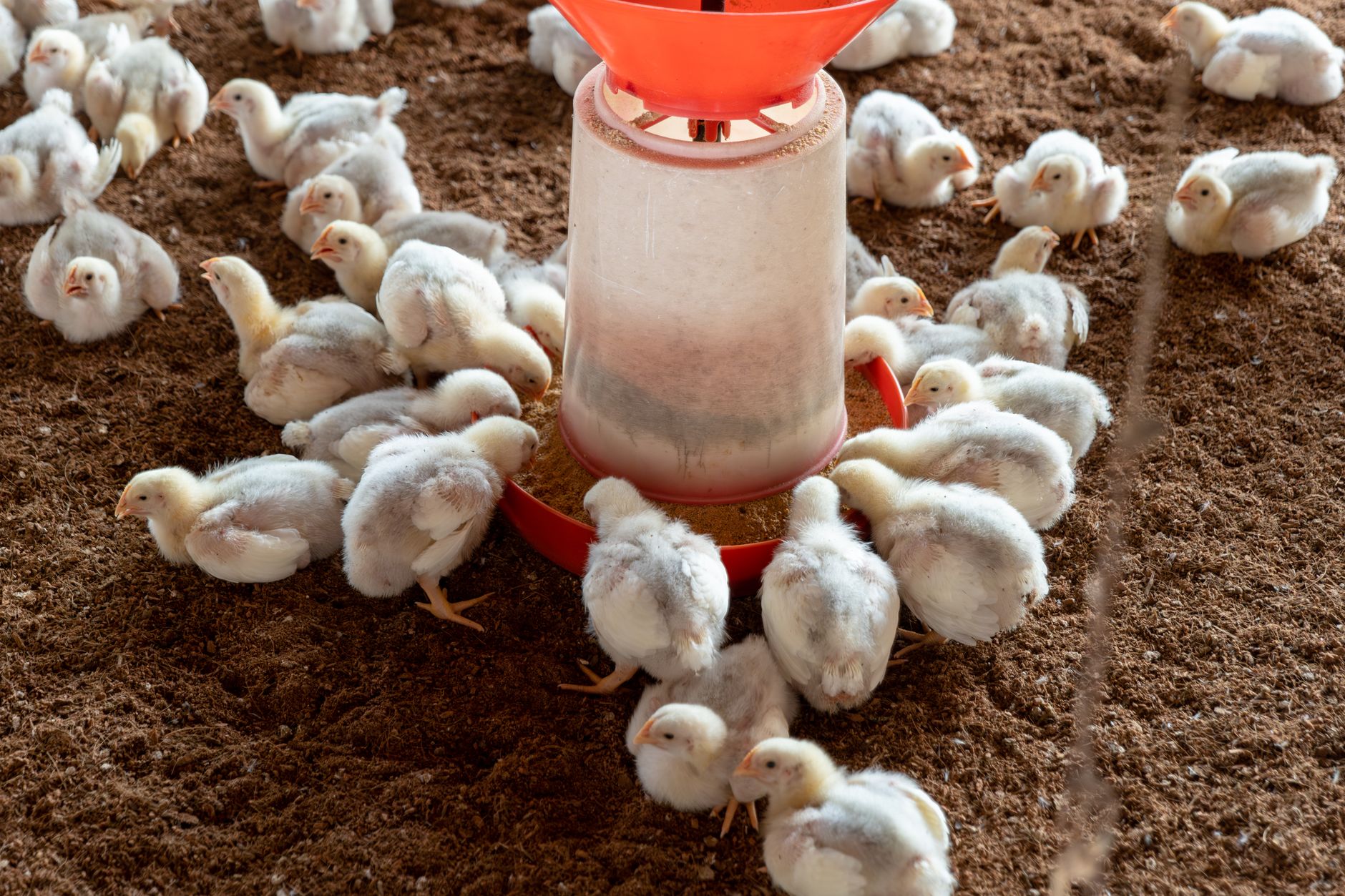
Raising Meat Chickens at Home: A Beginner’s Guide for Real Families
This post contains affiliate links. I may earn a small commission at no extra cost to you.
I’ll be honest with you — the first time my husband suggested we raise meat chickens, I thought he had lost his mind. We already had our laying hens. We had the dog. We had the garden. I was knee-deep in homeschool planning and barely keeping up with laundry. Adding chickens we were actually going to eat felt like a line I wasn’t ready to cross.
But then one of my kids asked where chicken nuggets came from. And I mean really asked — with follow-up questions I didn’t have great answers for. And something in me said: this is exactly the kind of thing we should know how to do.
So we did it. And y’all — it was one of the most grounding, meaningful things our family has done together. It was also simpler than I expected once I stopped overthinking it.
If you’re on the fence about raising meat chickens at home, this guide is for you.
Why Families Like Ours Are Raising Meat Chickens
This isn’t just a homestead trend. For intentional families who care about what goes into their bodies, raising your own meat chickens is one of the most direct ways to know exactly how your food was raised — what it ate, how it lived, and how it was treated.
For our family specifically, it checked a lot of boxes:
- We control the inputs. No mystery additives, no overcrowded commercial conditions.
- It’s a living lesson. Life cycles, animal husbandry, nutrition, responsibility — all of it unfolds right in your backyard.
- It connects kids to real food. There’s something powerful about a child who understands where their dinner actually comes from.
- It fits our values. We’re not anti-meat. We’re pro-knowing.
If you’ve already got laying hens, you’re more ready for this than you think. If you haven’t started with chickens at all yet, I’d recommend reading up with something like Storey’s Guide to Raising Chickens — it’s the book I refer back to most often and it covers both layers and meat birds thoroughly.
Choosing Your Breed: Cornish Cross vs. Freedom Rangers
For most beginners, you’re going to hear about two main options:
Cornish Cross
These are the standard commercial meat bird. They grow fast — ready to process in about 6–8 weeks. They put on weight so efficiently it can honestly feel a little unnatural, but they produce a lot of meat per bird. The tradeoff is that they’re not very active, they eat constantly, and they need close management (especially in Florida heat) because they can have heart and leg issues if not monitored.
Freedom Rangers
These take a little longer — 9–11 weeks — but they’re hardier, more active, and better suited for pastured setups. They do well in our Florida climate because they’re more heat-tolerant and can forage more effectively. The meat has a slightly different texture (more like heritage chicken) and many families prefer the flavor.
For your first batch, either works. We started with Cornish Cross just to keep it simple, but I’d do Freedom Rangers next time.
Setting Up Your Brooder
Meat chicks need the same brooder basics as laying chicks — warmth, water, feed, and space — but they grow SO fast you’ll want to make sure you have room to expand quickly.
Here’s what you’ll need:
- A brooder box — a large plastic tote, stock tank, or even a kiddie pool with cardboard walls works fine
- A heat lamp or plate brooder — start at 95°F and drop 5 degrees per week
- Bedding — pine shavings work great; change often because meat birds are messy
- A good waterer — we love a nipple-style chicken waterer because it stays cleaner and reduces waste
- Chick starter feed — high protein (22–24%) for meat birds specifically
One thing Florida families need to keep in mind: if you’re brooding in late spring or summer, you may need less supplemental heat than you think. Our garage gets warm fast. Watch your chicks — if they’re huddled under the lamp, they’re cold; if they’re spread to the edges, they’re too warm.
For pest control around the brooder and coop, we use Wondercide and food-grade diatomaceous earth — both non-toxic and effective for keeping things clean without harsh chemicals.
Moving to Pasture (or a Tractor)
Around 2–3 weeks, your meat birds are ready to start transitioning outside during warm parts of the day. If you can build or buy a simple chicken tractor — basically a moveable bottomless pen — you can rotate them around your yard and let them access fresh grass and bugs daily.
This is also where the magic happens for your homeschool kids. Moving the tractor, filling the waterer, watching the chickens scratch and peck — it becomes part of the rhythm of your day in the best way.
Our kids started keeping a nature journal around our flock, and it was a natural extension of everything we were already doing. A simple nature journal and some Faber-Castell watercolors are all they need to start sketching and recording observations — very Charlotte Mason, very low-key.
For a deeper dive on how we weave this kind of thing into our actual school days, check out Homeschool Spring Florida Nature Study Ideas Your Kids Will Actually Want to Do.
Feeding Meat Chickens: What to Expect
Meat birds eat. A LOT. Plan for it.
- Weeks 1–3: Chick starter (22–24% protein)
- Weeks 3–6: Grower/finisher (18–20% protein)
- Week before processing: Some people do a brief withdrawal from medicated feed if applicable — check your feed label
For Cornish Cross especially, some experienced raisers recommend limiting feed access overnight during the middle weeks to reduce the risk of heart issues. It sounds counterintuitive, but it keeps them from growing too fast for their bodies. Ask at your local feed store — they’ll have opinions.
Processing Day: The Part Everyone Worries About
I’m not going to sugarcoat this section, but I’m also not going to be dramatic about it.
Processing day is hard the first time. Emotionally and physically. But it is also deeply clarifying.
Your options:
- DIY at home — requires equipment (a killing cone, scalding pot, plucker if you want to save time) and a plan. There are great YouTube tutorials. Storey’s Guide walks through the process step by step.
- Find a local processor — in the Pensacola area, there are small-scale processors who handle pastured poultry. Call around to local farms or ask in your county’s homesteading Facebook groups. It costs more but takes the hardest part off your plate.
- Co-op with friends — get a few families together, share equipment and labor. Makes it faster and honestly less heavy.
As for the kids — we let ours be involved at whatever level felt right for their age and temperament. Watching from a distance is okay. Asking questions is okay. Participating in wrapping and packaging is okay. You know your children. Follow their lead.
What We’ve Learned After a Few Batches
- Start small. 10–15 birds is plenty for a first batch. You’ll learn a lot.
- Pick the right season. Here in NW Florida, spring and fall are your friends. Raising meat birds in July is miserable for everyone.
- Build your infrastructure first. Waterer, brooder, tractor — have it ready before chicks arrive.
- Involve the kids from day one. The feeding, the moving, the observation — it’s all school. Real, living, beautiful school.
If you’re also growing a garden alongside your chickens (the compost connection alone is worth it), take a look at How to Start a Homestead Garden in Florida for Beginners — we’ve woven the two together in ways that make both more productive.
And if your kids are getting into the chicken world and want their own resource, the Kid’s Guide to Chickens is genuinely great — age-appropriate, engaging, and it gets them invested in what’s happening in the backyard.
One Last Thing
Raising meat chickens at home is one of those decisions that sounds complicated from the outside and feels completely natural once you’re in it. It’s the kind of thing our grandparents just did — part of knowing where food comes from, taking responsibility for it, and teaching children that life has weight and meaning.
We’re not doing this perfectly over here. But we’re doing it intentionally, and our kids are better for it. If this is something your family has been circling around, I hope this gives you the push to just start. Your first batch will teach you more than any blog post can — including this one.
You’ve got this, mama.
📖 You Might Also Like:
- How to Start a Homestead Garden in Florida for Beginners (What Actually Works Down Here)
- Delight-Directed Learning in Homeschool: How It Actually Works (And Why It’s Not Just Unschooling)
- Homeschool Spring Florida Nature Study Ideas Your Kids Will Actually Want to Do
Frequently Asked Questions
How many meat chickens should a beginner start with?
For your first batch, 10–15 birds is a great starting point. It’s enough to get a meaningful amount of meat while keeping the learning curve manageable. You’ll figure out your brooder setup, feeding routine, and processing plan on a smaller scale before committing to a larger flock.
How long does it take to raise meat chickens from chick to freezer?
It depends on the breed. Cornish Cross are typically ready to process in 6–8 weeks, making them the fastest option. Freedom Rangers take 9–11 weeks but are hardier and better suited to pasture-based setups. Either way, you’re looking at under 3 months from chick arrival to finished meat.
Can you raise meat chickens in Florida heat?
Yes, but timing matters a lot. Spring (February–April) and fall (September–November) are ideal in Northwest Florida. Summer heat is genuinely hard on meat birds, especially Cornish Cross, who are prone to heat stress. If you must raise in summer, make sure they have deep shade, constant fresh water, and good airflow in their housing.
What’s the difference between meat chickens and laying hens?
Meat chickens (broilers) are bred specifically to put on muscle mass quickly — they’re not great egg layers and aren’t meant to live long lives. Laying hens are bred for egg production and can live 5–7 years. You can keep both, but they have different feed, space, and management needs. Most families start with layers and add a meat flock once they feel comfortable.
Do I need a lot of space to raise meat chickens at home?
Not as much as you’d think. A moveable chicken tractor is one of the most space-efficient setups — it lets you rotate birds over your yard so they get fresh forage without needing a large dedicated pasture. For a batch of 10–15 birds, a modest backyard is workable. Check your local ordinances, though — some neighborhoods or municipalities have restrictions on poultry even if laying hens are allowed.
Leave a Reply