Raising Backyard Chickens with Young Kids Safely: What Actually Works for Our Family
This post contains affiliate links. I may earn a small commission at no extra cost to you.
When we first started talking about getting chickens, I had a friend look at me like I’d lost my mind. “You have little kids,” she said. “Aren’t chickens… dangerous?”
I laughed, but honestly? I get it. There’s a lot of scary information floating around about salmonella and roosters and pecking. And yes, there are real things to be aware of. But here’s the truth after a couple of years of doing this with our elementary-age kids right here in the Florida Panhandle: raising backyard chickens with young children is one of the most rewarding, grounding, genuinely educational things our family has ever done. You just have to go in with your eyes open.
So let me tell you what we’ve actually learned — the safety habits that matter, the things I was worried about that turned out to be no big deal, and the ways this whole chicken adventure has become a real part of how we do life and school around here.
Start with the Right Breeds
This is the foundation. Not all chickens are equally kid-friendly, and when you’re raising backyard chickens with young kids, temperament matters just as much as egg production.
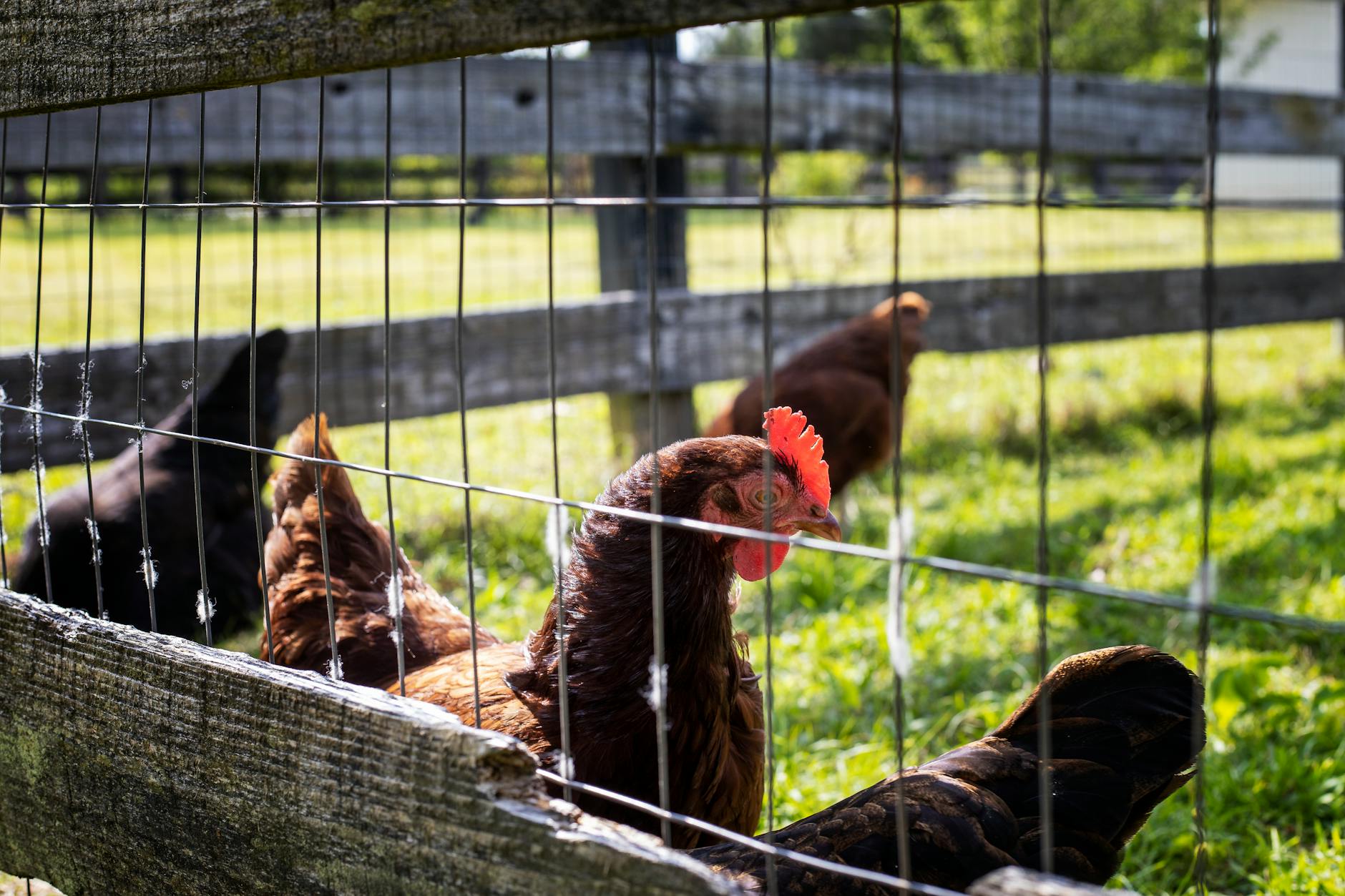
We chose breeds known for being calm and gentle — think Buff Orpingtons, Easter Eggers, and Australorps. These girls let our kids hold them, follow them around the yard, and generally act more like pets than livestock. We’ve never had a rooster (not allowed in our neighborhood anyway), which eliminates one of the most common safety concerns right there.
If you’re still in the research phase, I’d really recommend checking out Best Chicken Breeds for Florida Heat and Humidity (What Actually Thrives Down Here) — I wrote it specifically for our climate, because what works in Vermont doesn’t always work in a Northwest Florida summer.
Teach Handwashing Like It’s Religion
Okay, this is the big one. The one I want you to take seriously even if you roll your eyes at everything else I say.
Always wash hands after touching the chickens, their eggs, their coop, or anything in the chicken area. Always. No exceptions.
Salmonella is a real concern with backyard flocks, and young kids are more vulnerable because their immune systems are still developing. We made handwashing non-negotiable from day one, and honestly? Our kids don’t even think twice about it now. They come in from the coop and head straight to the sink. It’s just the rule, like putting on shoes before going outside.
We keep things simple — soap and warm water for at least 20 seconds. We don’t let the little ones eat or drink anything while they’re in the chicken area. And we definitely don’t let anyone kiss the chickens, no matter how cute they are (and they are very cute).
Set Clear Coop Boundaries for Little Ones
We built our chicken routine around age-appropriate involvement. Here’s roughly how it looked as our kids grew:
Younger kids (K-1st grade): They can scatter feed, collect eggs with supervision, and observe — but we don’t send them into the coop alone. They’re learning the how and why of chicken keeping, not managing it independently yet.
Older kids (2nd grade and up): They start taking on real tasks. Collecting eggs solo, refreshing water, doing a basic health check on the flock. We talk through what healthy chickens look and act like so they know what to notice.
Having a chicken waterer that’s easy for kids to check and refill makes the older ones feel genuinely capable — and that confidence is worth so much. We also love our automatic coop door because it removes the pressure of the kids needing to remember to close up at dusk. One less thing to worry about.
Make the Coop and Run as Safe as Possible
Beyond kid safety, think about structural safety — a secure coop protects your flock from predators, which means your kids won’t have to deal with the trauma of losing a beloved hen. (Ask me how I know.)
We use diatomaceous earth in our coop for pest control — food-grade only, and we apply it when the kids aren’t around to breathe it in. For yard and perimeter pest control, Wondercide has been our go-to because it’s non-toxic and safe for our animals and our kids. That peace of mind matters when you’re trying to run a non-toxic home.
For more on keeping the coop itself healthy in our Florida heat, I go deep on that in Backyard Chicken Coop Ventilation in a Hot Climate: What Actually Works — because ventilation and health go hand in hand, and sick chickens are a safety concern for kids too.
Turn It Into School (The Charlotte Mason Way)
Here’s where I get a little excited, because this is where chickens stop being just a backyard hobby and become a full-on living education.
Our chickens have sparked lessons in biology, life cycles, animal behavior, nutrition, responsibility, and even math (How many eggs did we collect this week? How much feed do we go through in a month?). This is Charlotte Mason nature study at its best — real, living, right outside the back door.
We keep nature journals for sketching the flock, recording observations, and noting things like which hen is laying and which one’s been acting off. My oldest has gotten really into detailed drawings with Faber-Castell watercolors — we’ve done everything from painting individual feather patterns to illustrating the egg-laying process after we learned about it together.
If your kids want to go deeper, Storey’s Guide to Raising Chickens is a genuinely excellent reference, and there’s also a wonderful kid-specific guide to chickens that my younger one has pored over more times than I can count. We also love checking out our backyard visitors with a pocket microscope — you wouldn’t believe what you can find on a chicken feather.
If you want ideas for extending this kind of outdoor learning through all four seasons, Charlotte Mason Nature Table Ideas by Season has a lot of inspiration that pairs beautifully with backyard animal keeping.
The 1990s Piece Nobody Talks About
Here’s the honest truth: part of why we got chickens was because I wanted my kids to have the kind of childhood I had. The kind where you’re outside, you have real responsibilities, and the world isn’t bubble-wrapped.
Feeding the chickens before breakfast, collecting eggs, noticing that one hen is acting weird and telling me about it — these are the kinds of experiences that build kids who are observant, responsible, and connected to the living world around them. It’s the opposite of handing them a screen. And I think it matters.
Does it take some intentional setup? Yes. Does it require consistent safety habits? Absolutely. But once those habits are in place, this whole thing just becomes life — good, messy, real life.
A Few Quick Safety Reminders
- Never let kids eat or drink in the chicken area
- Always wash hands immediately after chicken contact — before touching faces, food, or anything else
- Teach kids to move slowly and calmly around the flock
- Supervise egg collection until kids are old enough to handle eggs without dropping or cracking them (cracked eggs = bacteria risk)
- Keep immunocompromised family members away from direct chicken contact
- Know your flock — healthy chickens are the safest chickens, so stay on top of what they’re eating and how they’re doing
If you’re on the fence about whether chickens and young kids can coexist safely and joyfully — they absolutely can. Ours have been one of the best parts of our homeschool life, our family culture, and honestly, our mornings. There’s something about a kid who confidently cares for another living creature that just fills your mama heart right up.
Start slow, build the habits, and enjoy every single ridiculous moment. These birds will become part of your family faster than you expect.
📖 You Might Also Like:
- Best Chicken Breeds for Florida Heat and Humidity (What Actually Thrives Down Here)
- Charlotte Mason Nature Table Ideas by Season (What We Actually Keep on Ours)
- How to Start Nature Journaling with Kids: A Beginner’s Guide for Families Who Love the Outdoors
Frequently Asked Questions
Is it safe for young children to be around backyard chickens?
Yes, with consistent safety habits in place. The most important one is thorough handwashing with soap and water immediately after any contact with chickens, eggs, or the coop area. Children under 5 should always be supervised around the flock, and no one should eat, drink, or touch their face while in the chicken area. Choosing calm, gentle breeds also makes a big difference when kids are involved.
Can kids get salmonella from backyard chickens?
Salmonella is a real risk with backyard poultry, and young children are more vulnerable than adults. The good news is that consistent handwashing dramatically reduces this risk. Always wash hands after touching birds, eggs, or anything in the coop. Don’t allow kids to kiss or nuzzle chickens, and keep immunocompromised children away from direct contact with the flock.
What age can kids start helping with chicken chores?
Even toddlers can toss a handful of feed and observe with supervision. For real responsibility, most kids are ready to collect eggs (with supervision) around kindergarten age, and can take on more independent tasks like refreshing water and doing basic flock checks by second or third grade. Tailor tasks to your child’s maturity level and always prioritize the handwashing habit no matter the age.
What chicken breeds are best for families with young children?
Gentle, calm breeds are your best bet when young kids are involved. Buff Orpingtons, Easter Eggers, Australorps, Silkies, and Sussex are all known for being docile and friendly. Avoid roosters if possible — they can be territorial and unpredictable around children. If you’re in Florida, also factor in heat tolerance when choosing your breeds.
How do I teach my kids to handle chickens safely?
Start by teaching slow, calm movements around the flock — sudden motions startle birds and can cause pecking. Show kids how to scoop a chicken from below rather than grabbing from above, which mimics a predator. Always supervise handling sessions until you’re confident in both the child’s technique and the individual bird’s temperament. Make sure kids know to never chase the chickens, and always — always — wash hands when they’re done.
Leave a Reply