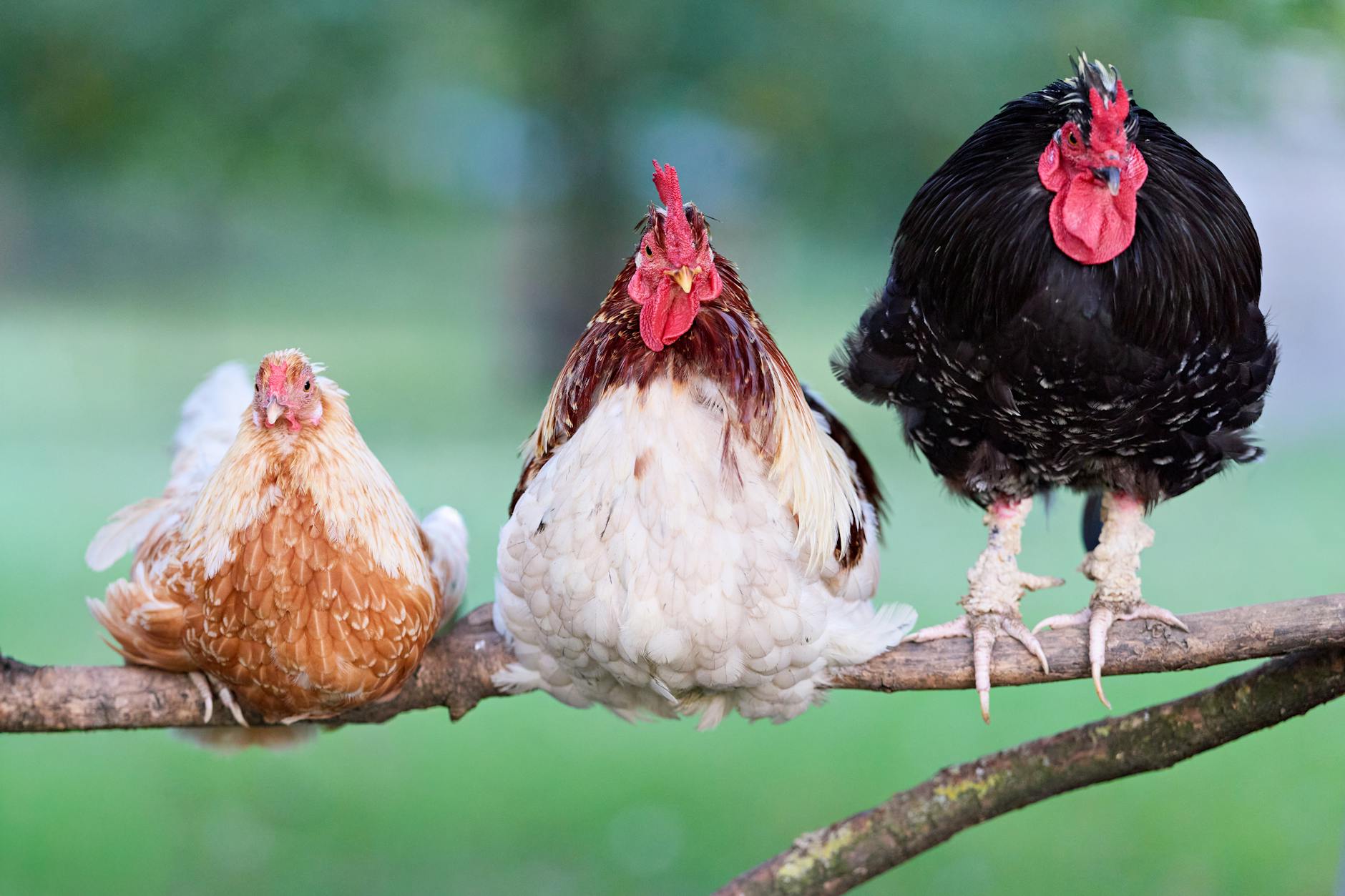
Best Chicken Breeds for Florida Heat and Humidity (What Actually Thrives Down Here)
This post contains affiliate links. I may earn a small commission at no extra cost to you.
If you’ve ever stood in your backyard in July in Northwest Florida and thought how are any of us still alive right now — you understand the problem. The heat index regularly hits 105°F here in the Pensacola area, and that thick Gulf Coast humidity makes it feel even worse. For us humans, we can go grab a glass of sweet tea and stand in front of the air conditioner. For our chickens? They’re out there depending on us to get their setup right.
We’ve had backyard chickens for a few years now, and I won’t pretend our first flock choices were perfect. We made some mistakes early on — picking breeds based on looks and egg color rather than heat tolerance — and we paid for it that first summer with stressed, barely-laying hens and one really scary heat emergency that I never want to repeat.
So if you’re new to keeping chickens in Florida, or you’re rebuilding your flock and want to do it smarter this time, this post is for you. These are the breeds that genuinely thrive down here — not just survive.
Why Breed Choice Actually Matters in Florida
Chickens regulate their body temperature by panting and holding their wings away from their bodies. They don’t sweat. Large, heavy breeds with dense feathering — your classic fluffy cold-weather birds — really struggle when it’s 95°F with 90% humidity before 9 a.m.
What you want in a Florida chicken is:
- A smaller, leaner body (less body mass to overheat)
- A larger comb (blood flows through it to release heat — this is actually a fascinating thing to teach your kids!)
- Mediterranean or tropical heritage (bred for hot climates for centuries)
- Active foragers who handle the free-range life well
This also makes for incredible nature study with your kids. Comparing comb sizes, talking about why certain animals are built for certain climates — it’s living biology right in the backyard. My kids have learned more about adaptation from our chickens than from any worksheet.
If you want to go deeper on the biology and care side, Storey’s Guide to Raising Chickens is genuinely the best reference book I’ve found — we keep it on the shelf right next to the kitchen. And if your kids want their own resource, the Kid’s Guide to Keeping Chickens is wonderful — mine have read it cover to cover multiple times.
The Best Chicken Breeds for Florida Heat and Humidity
1. Black Australorp
This is our number one recommendation for Florida families, and honestly for most of the Gulf Coast. Australorps are calm, friendly, incredibly productive layers, and they handle heat better than almost any dual-purpose breed out there. Our Australorp hens kept laying consistently through July and August when our other hens basically went on strike.
They have a single comb (good for heat dissipation), a lean build, and an easygoing temperament that makes them wonderful around kids. Ours follow my kids around the yard like dogs.
2. Leghorn
If eggs are your primary goal, you cannot beat a White Leghorn in Florida. These birds were developed in the Mediterranean and they are built for heat. Large single comb, lightweight body, active foragers — they’re basically the ideal Florida chicken on paper.
The trade-off is temperament. Leghorns are flighty and a little skittish compared to more docile breeds. They’re not really lap chickens. But if you want an egg-laying machine that won’t miss a beat in August? Leghorns deliver.
3. Easter Egger
We have three Easter Eggers in our current flock and they are absolutely beloved by my kids — partly because they lay blue and green eggs, which never gets old. Easter Eggers are a mixed breed (typically carrying the blue-egg gene from Ameraucanas), and they tend to be hardy, adaptable birds.
They handle Florida summers reasonably well, especially with good shade and airflow in the coop. They’re also incredibly gentle and curious, which makes them great for a family flock where kids are involved in daily care.
4. Dominique
The Dominique is America’s oldest chicken breed, and it’s a sleeper pick for Florida. Their rose comb — lower and flatter than a single comb — actually does well in both heat and cold, and their smaller, tighter body feathering doesn’t trap as much heat as fluffier breeds. They’re calm, self-sufficient foragers and good layers of brown eggs.
If you want a heritage breed with history you can weave into your homeschool (hello, living history), the Dominique is a beautiful choice.
5. Catalana
This one’s a little harder to find but worth mentioning: the Catalana was developed in Spain specifically for hot, dry climates. They have a large comb, a lean Mediterranean build, and they are exceptional in heat. If you can find them through a local breeder or hatchery, they’re a fantastic Florida flock addition.
6. Rhode Island Red
A classic for a reason. Rhode Island Reds aren’t cold-weather birds — they’re tough, adaptable, and handle Florida summers with the right setup. They’re excellent layers, easy to manage, and most farm stores carry them reliably. Not our top heat pick, but a solid, accessible choice for beginners.
Breeds to Avoid (or Be Cautious With) in Florida
I want to gently steer you away from a few breeds that are popular nationally but genuinely struggle in Gulf Coast heat:
- Brahmas — gorgeous birds, but that heavy feathering is brutal in summer
- Cochins — same problem, plus feathered feet that stay damp and muddy in Florida rain
- Silkies — sweet and fluffy and honestly miserable in our humidity
- Orpingtons — we had two Buff Orpingtons and they struggled. Some people make it work with excellent ventilation, but they’re not our first pick for Florida.
Practical Heat Management Tips
Breed choice is step one. Setup is step two. A heat-tolerant breed in a poorly ventilated coop will still suffer. A few things that have made a huge difference for us:
- Coop ventilation over insulation — In Florida, you want maximum airflow, not a sealed-up box. Hardware cloth panels instead of solid walls where possible.
- Deep shade — We planted native shrubs near our run and added a shade sail. Game changer.
- Fresh cold water constantly — We use a nipple waterer system and add ice in the hottest weeks. The nipple style stays cleaner and the chickens drink more.
- Automatic coop door — This lets us open the coop at first light so the birds can get out into the cooler morning air before the heat sets in, without us having to be up at 5:30 a.m. every day.
- Diatomaceous earth in the coop for mite control — mites are worse in summer and stressed hot birds are more vulnerable.
Chickens as a Homeschool Learning Tool
One of my favorite things about our backyard flock is how naturally it weaves into our Charlotte Mason approach. Chicken chores are part of our daily rhythm. My kids have learned responsibility, life cycles, biology, and animal behavior — not from a textbook, but from showing up every single morning with a scoop of feed.
Watching a hen pant in the heat and then talking about why — that’s nature study. Sketching the different comb shapes in a nature journal and comparing them to what we read in the chicken guide — that’s Charlotte Mason at its most natural. If you’re looking for more ideas on weaving nature into your daily rhythm, my post on How to Start Nature Journaling with Kids is a good place to start.
And honestly? There’s something about a kid who grows up responsible for living creatures — feeding them, noticing when something’s off, problem-solving in the heat of a Florida July — that builds a kind of quiet competence you just can’t manufacture. That’s the 1990s-childhood-in-the-best-way kind of growing up I’m going for over here.
If you’re using the Florida PEP Scholarship and wondering whether chicken-related books and resources are eligible, check out my post on the Florida PEP Scholarship Approved Vendors List 2026 — curriculum and educational materials often qualify in ways families don’t realize.
The Bottom Line
You can absolutely keep a happy, productive backyard flock in Florida — you just have to start with the right birds. Black Australorps, Leghorns, Easter Eggers, and Dominiques are our top picks for the Gulf Coast. Combine smart breed choices with good coop airflow, reliable clean water, and deep shade, and your chickens will do more than survive the summer — they’ll thrive.
And so will your kids, who will grow up knowing where eggs come from, how to read an animal’s body language, and what it means to be responsible for something besides themselves. That’s worth every sweaty July morning.
📖 You Might Also Like:
- Best Homeschool Co-ops in Pensacola & Northwest Florida (What Real Families Actually Think)
- Homeschooling Laws in Florida: What You Actually Need to Know in 2026
- Florida 4-H Programs for Homeschool Kids: What We Wish We’d Known Sooner
Frequently Asked Questions
What is the best chicken breed for Florida heat?
Black Australorps and Leghorns are consistently the top performers in Florida’s heat and humidity. Australorps are excellent layers with a calm temperament and handle Gulf Coast summers well. Leghorns are Mediterranean-bred, lightweight, and egg-laying machines even in peak summer heat. Easter Eggers and Dominiques are also solid choices for Florida backyard flocks.
Can you raise chickens in Florida year-round?
Yes — Florida is actually quite manageable for chickens year-round compared to northern climates where you’re battling frozen water and frostbite on combs. The challenge in Florida is summer heat, not winter cold. With the right breeds, good coop ventilation, shade, and consistent fresh water, a Florida flock can thrive in every season.
How do I keep my chickens cool in Florida summer?
Focus on airflow over insulation — Florida coops need maximum ventilation, not sealed walls. Provide deep shade in the run, keep fresh cold water available at all times (add ice on the hottest days), avoid handling birds during peak afternoon heat, and consider a nipple waterer system to keep water cleaner and cooler longer. Opening the coop early with an automatic door so birds can access cool morning air also helps significantly.
What chicken breeds should I avoid in Florida?
Heavy, densely-feathered breeds like Brahmas, Cochins, Silkies, and Buff Orpingtons tend to struggle in Florida’s heat and humidity. Their thick feathering traps body heat and the humid air makes it hard for them to cool down efficiently. Some people make them work with excellent setups, but for a beginner or someone in a particularly hot microclimate like coastal Northwest Florida, these breeds are a harder road.
How many eggs will I get from Florida backyard chickens in summer?
Egg production typically drops in summer for most breeds due to heat stress and the longer daylight hours triggering molting in some hens. Heat-tolerant breeds like Leghorns and Black Australorps hold up better than others. You can expect reduced production from most hens in July and August compared to fall and spring, which are peak laying seasons in Florida. Keeping hens cool, well-fed, and well-hydrated helps maintain production as much as possible.
Leave a Reply