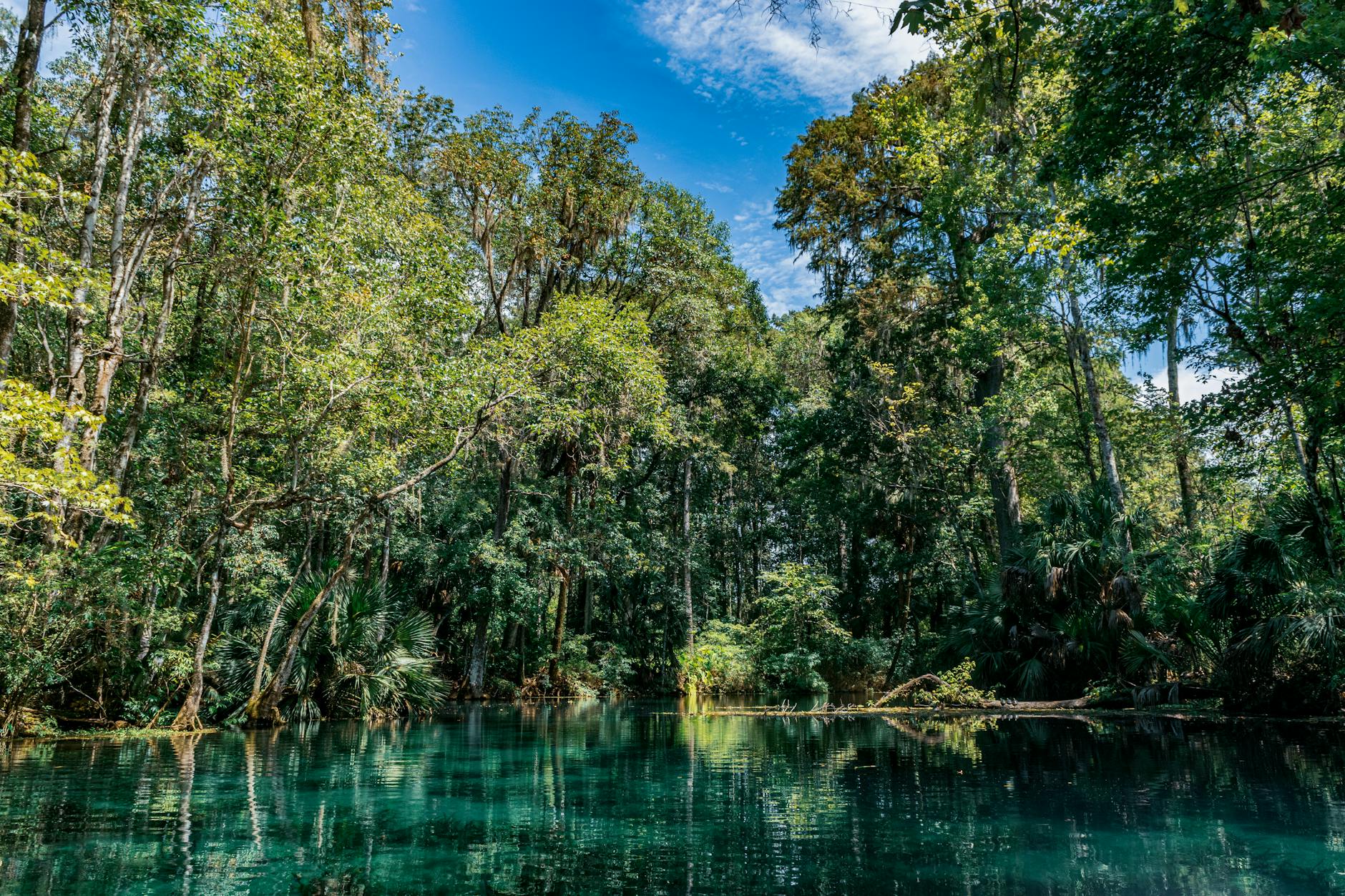
Florida State Parks Free Homeschool Field Trip Ideas (A Real Mama’s Guide)
This post contains affiliate links. I may earn a small commission at no extra cost to you.
Can I tell you something that took me an embarrassing amount of time to figure out?
We were spending money on curriculum boxes, co-op fees, and activity kits — and meanwhile, some of the richest nature education in the entire country was sitting thirty minutes away from our house. For free. Or close to it.
Florida state parks.
I’m not talking about a quick hike where the kids poke a stick at something and you call it science. I mean genuinely immersive, Charlotte Mason-style living education — the kind where your kids come home muddy and full of questions and can’t stop talking about what they saw. That kind of free.
If you’re homeschooling in the Pensacola area or anywhere in Northwest Florida, you are sitting on a goldmine. Let me show you how we actually use these parks — and what we bring to make every visit count.
Why Florida State Parks Are a Homeschool Secret Weapon
Florida has over 175 state parks, and many of them offer free or reduced admission for specific programs. The Florida State Parks Passport Program is designed specifically for kids — they pick up a passport booklet and get it stamped at each park they visit. It’s free, it’s motivating, and it works like a charm for kids who love collecting things (so, all kids).
Beyond the passport, Florida state parks offer:
- Free ranger-led programs and nature walks
- Junior Ranger programs at select parks
- Seasonal wildlife encounters you genuinely cannot replicate at home
- Real ecosystems — flatwoods, scrub, coastal dunes, springs, swamps — that make biology textbooks come alive
For Charlotte Mason homeschoolers especially, this is the living book you cannot buy. Nature study doesn’t get more real than this.
Northwest Florida Parks Worth Building a Unit Study Around
Blackwater River State Park (Milton, FL)
This one is a family favorite and honestly just a beautiful place to spend a Tuesday morning. The Blackwater River is one of the purest sand-bottom rivers in the world — the water runs dark from tannins but is crystal clear and clean. Kids can wade, observe freshwater ecosystems, spot turtles and herons, and collect specimens.
We bring our pocket microscope and look at water samples on-site. My kids’ faces the first time they saw what was living in a drop of river water — priceless. That afternoon, we sketched what we saw in their nature journals and it counted as both science and language arts.
Perdido Key State Park
Right here in our backyard, basically. Perdido Key has some of the most stunning undeveloped coastal dune habitat in the Florida Panhandle. It’s also home to the endangered Perdido Key beach mouse — and there’s no better way to teach kids about habitat and adaptation than standing in the actual habitat.
We use the Sibley Birds guide here constantly. Shorebirds, ospreys, pelicans — the bird life along the Gulf coast is spectacular, and identifying species in the field is a thousand times more engaging than any flashcard.
Falling Waters State Park (Chipley, FL)
Florida’s highest waterfall is here — all 73 feet of it — and yes, it’s genuinely impressive even for kids who’ve seen bigger falls. But what makes Falling Waters special for homeschoolers is the geology. Sinkholes, karst topography, pitcher plants in the wetlands — this park is basically a living earth science curriculum.
I’d pair a visit here with a unit on Florida geology or even the broader topic of water cycles. Pack a bug collection kit and let the kids explore the pitcher plant bog — the carnivorous plant conversation alone is worth the drive.
Big Lagoon State Park (Pensacola)
This one is close, affordable, and endlessly useful for nature study. Salt marsh, coastal scrub, and lagoon habitat all in one place. We’ve seen great blue herons fishing from the boardwalk, identified multiple species of dragonflies, and found the most gorgeous horseshoe crab molt right on the shoreline.
For younger kids especially, Big Lagoon is manageable and not overwhelming. Pair it with Faber-Castell watercolors and do a nature painting on the picnic tables after your walk. That’s a full Charlotte Mason morning right there.
How to Turn a Park Visit Into Real Learning (Without Ruining the Fun)
Here’s what I’ve learned: the more you let the kids lead, the more they retain. My job is to set up the conditions for curiosity — not to narrate every five steps.
Before you go:
- Look up what ecosystem you’ll be visiting and read one good picture book or chapter about it
- Pack the nature journal and something to draw with
- Talk about one thing you’re hoping to find or observe (keeps it focused without being rigid)
While you’re there:
- Give them tools and space: a bug catcher, a hand lens, the bird guide
- Ask open questions: What do you notice? What do you wonder?
- Let them get wet and dirty — that’s where the learning lives
- Don’t rush. Thirty minutes at one fallen log beats hiking two miles without stopping
When you get home:
- Nature journal entry: sketch something they observed, write or dictate three things they noticed
- Look up one thing they had a question about
- Add any specimens to your nature table
If you want more ideas for building out your nature table through the seasons, I wrote a whole post on best nature table items to collect by season in Florida that pairs really well with park visits.
Connecting Park Visits to Florida History
Some of Florida’s state parks sit on or near significant historical sites — and that’s a natural tie-in if you’re doing Florida history in your homeschool. Eden Gardens State Park near Santa Rosa Beach has a stunning antebellum mansion and old-growth live oaks that anchor a whole conversation about Florida’s history in a way no textbook can. I’ve got more on that in my post about how to teach kids about Florida history without boring textbooks.
What We Always Pack
A good park day doesn’t require a lot, but a few things make a real difference:
- Nature journal and pencils
- Faber-Castell watercolors for field sketching
- Pocket microscope — genuinely one of our most-used tools
- Bug collection kit
- Sibley Birds or a regional field guide
- Non-toxic sunscreen — non-negotiable in Florida
- Kids’ rain boots — Florida afternoon storms are real, y’all
- Stainless steel water bottles and real food snacks
A Note on Florida PEP Scholarship and Field Trips
If you’re using the Florida PEP Scholarship, field trips to state parks can absolutely be documented as part of your homeschool record. I keep notes in our portfolio about what we observed, what we studied before and after, and how it connects to our learning goals. For more on keeping solid records, check out my post on how to document homeschool for Florida PEP Scholarship.
This Is the 1990s Childhood We’re Trying to Give Them
Honestly? State park days are my favorite kind of school day. Nobody’s asking for a screen. The dog is happy. The kids are grimy and tired and full of real things they saw with their own eyes. My youngest came home from Blackwater last spring and spent the entire dinner telling his dad about a water strider — how it walks on water, why it doesn’t sink, what it eats.
No curriculum made that happen. The river did.
Florida’s state parks are one of the most generous, underused educational gifts available to homeschool families in this state. Pack your journals, lace up those boots, and go. The classroom is waiting.
📖 You Might Also Like:
- Best Nature Table Items to Collect by Season in Florida: A Year-Round Guide
- How to Teach Kids About Composting: A Simple Worm Bin Setup for Curious Families
- Best Charlotte Mason Homeschool Podcasts for Moms: My Go-To List for Encouragement and Inspiration
Frequently Asked Questions
Are Florida state parks free for homeschool field trips?
Many Florida state parks charge a small per-vehicle entrance fee (usually $2–$6), but several programs make visits free or reduced cost. The Florida State Parks Passport Program is free for kids, and many parks offer free ranger-led programs. Some parks also participate in fee-waiver programs for educational groups — it’s worth calling ahead to ask.
What is the Florida State Parks Passport Program for kids?
The Florida State Parks Passport is a free booklet kids can pick up at any state park visitor center. They collect a stamp at each park they visit, and completing it encourages exploration of Florida’s diverse ecosystems. It’s a great motivator for homeschool families and pairs beautifully with nature journaling and unit studies.
What are the best Florida state parks for homeschool nature study near Pensacola?
Near Pensacola and Northwest Florida, top picks include Blackwater River State Park (freshwater ecosystems), Perdido Key State Park (coastal dunes and shorebirds), Big Lagoon State Park (salt marsh and lagoon habitat), and Falling Waters State Park in Chipley (geology, sinkholes, and carnivorous plants). Each one offers a distinct ecosystem that supports hands-on science learning.
How do I document a Florida state park field trip for the PEP Scholarship?
For the Florida PEP Scholarship, field trips can be documented as part of your homeschool portfolio or learning log. Note the date, location, what subjects were covered (science, history, nature study, etc.), and any follow-up activities like nature journaling or research. Photos and journal pages are great supporting documentation. See the full guide on documenting homeschool for the PEP Scholarship for a simple system.
What should I bring on a homeschool nature field trip to a Florida state park?
A nature journal and pencils, a field guide (like Sibley’s for birds), a pocket microscope, a bug catcher or collection kit, non-toxic sunscreen, kids’ rain boots (Florida weather is unpredictable!), stainless steel water bottles, and snacks. Watercolor pencils or paints are a wonderful addition for nature sketching on-site. Keep it simple — tools that spark curiosity, not a full backpack of structured worksheets.
Leave a Reply