Chicken Pecking Order Problems: How to Manage Your Flock Without Losing Your Mind
This post contains affiliate links. I may earn a small commission at no extra cost to you.
If you’ve ever walked out to your coop in the morning and found one hen looking rough — missing feathers, hunched in the corner, getting chased away from the waterer — you already know that chicken pecking order problems are real. And they can go from “a little scrappy” to genuinely worrying faster than you’d expect, especially in Florida’s summer heat when everybody’s already a little irritable.
We’ve been keeping backyard chickens for a few years now, and I’ll be honest: the social dynamics of a small flock surprised me more than almost anything else about chicken keeping. These birds have opinions. Strong ones. And they are not shy about expressing them.
The good news? Most pecking order behavior is completely natural and manageable. You just have to know what you’re looking at.
What the Pecking Order Actually Is (And Why It Exists)
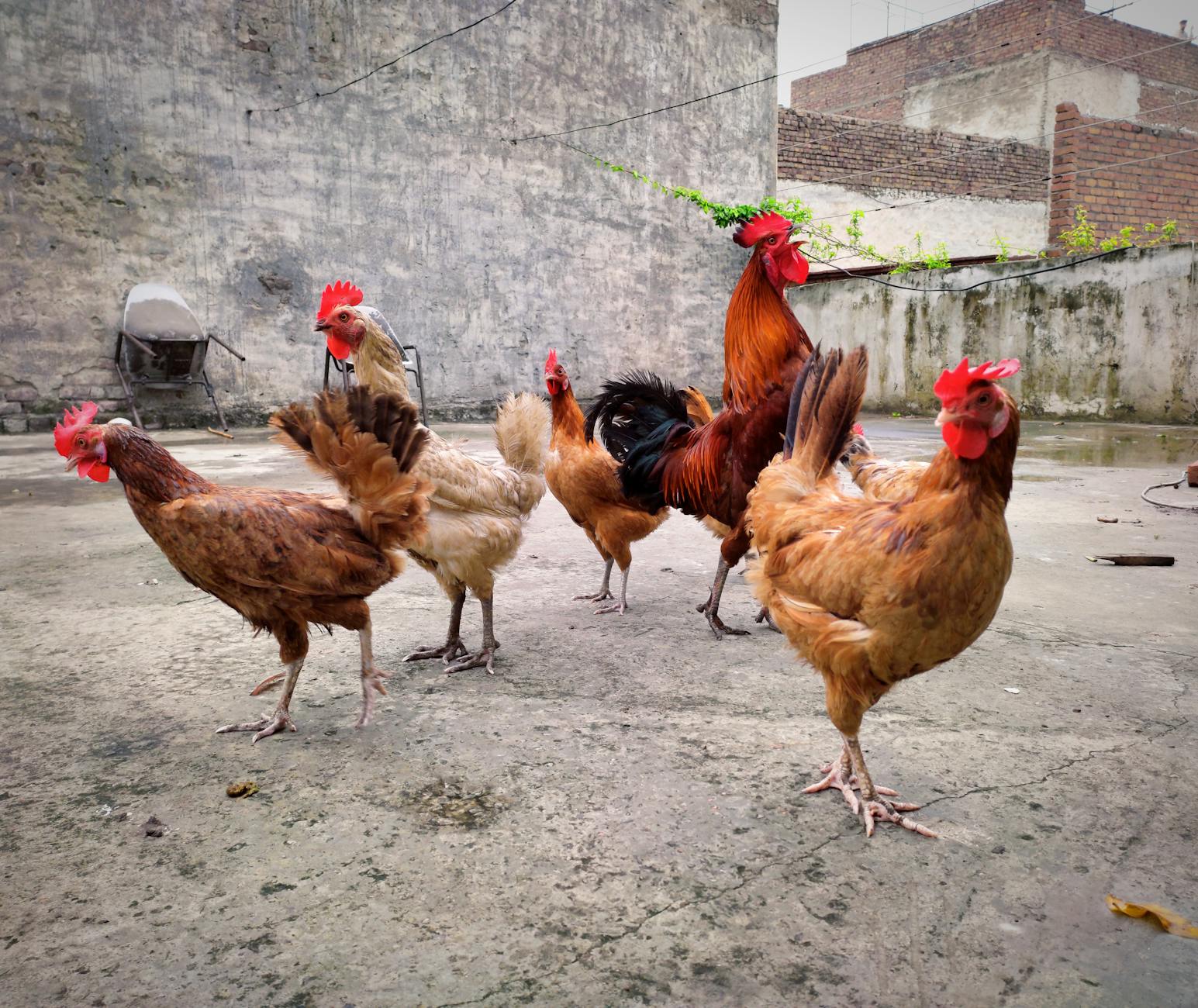
Chickens are flock animals with a very clear social hierarchy. Every bird knows her place — who she can boss around, and who she has to defer to. That structure is called the pecking order, and it exists for a real reason: it actually reduces conflict in a stable flock by making the rules clear to everyone.
The problems start when that hierarchy gets disrupted. Adding new birds, losing a hen, moving to a new coop, overcrowding, or even a change in lighting can throw the whole social structure into chaos. And when the hierarchy is unsettled, everybody’s squabbling to figure out who’s who again.
This has been a genuinely great nature study lesson for our kids, by the way. Watching the flock work out their social structure — talking through why animals behave this way, what it tells us about community and resources and survival — that’s living science right in your backyard. We pull out our nature journal and just observe sometimes. Charlotte Mason would approve.
When Pecking Order Behavior Crosses the Line
Some chasing and minor pecking? That’s normal. A hen getting bumped away from the feeder and then coming back a few minutes later? Normal. But here’s when you need to step in:
- Broken skin or bleeding. This is urgent. Chickens are drawn to the color red and will escalate on a bleeding bird fast.
- One bird being relentlessly excluded from food, water, or shelter.
- Feather pulling that creates bare patches — especially on the back of the head or neck.
- A hen hiding constantly or refusing to come out of the nesting box.
If you’ve got wounds to deal with, I always keep our non-toxic wound care supplies stocked for exactly this reason — the same kit works for the kids and the chickens, which my kids think is hilarious.
Our Favorite Practical Solutions for Pecking Order Problems
1. Give Them More Space
This is the single biggest factor. Crowding is the number-one cause of flock aggression, and in the Florida heat, stressed birds are cranky birds. The general rule is 4 square feet per bird inside the coop and 10 square feet per bird in the run — and honestly, more is always better. If your run feels tight, expanding it or adding free-range time can make a dramatic difference almost overnight.
2. Add Multiple Feeding and Watering Stations
If the dominant hen can physically block access to the only feeder, lower-ranking birds will go without. We use nipple-style waterers placed at different spots in the run — this style is especially great in Florida because it stays cleaner in the humidity. A good chicken waterer with multiple nipples means no one bird can monopolize it. Same goes for feeders — two feeders on opposite ends of the run works wonders.
3. Introduce New Birds the Right Way
This is where most pecking order chaos comes from — throwing new birds straight into an established flock. We always do a “look but don’t touch” introduction period of at least 2 weeks. New birds go into a separate pen inside or adjacent to the run so everyone can see and smell each other without physical contact. By the time they actually share space, the flock has already processed the newcomers as “part of the scene” and the drama is much lower.
If you’re newer to the whole flock management thing, Storey’s Guide to Raising Chickens is genuinely the book I recommend to every backyard chicken mama. It covers flock dynamics in a way that actually makes sense.
4. Enrich the Environment
Bored chickens pick on each other. It’s just what they do. We hang cabbage heads in the run, scatter scratch in the grass to encourage foraging, and add stumps and roosts at different heights so birds can get away from each other. In our Northwest Florida yard, there’s usually enough bugs and vegetation to keep them busy — but in the dry season or during extreme heat when we limit free ranging, enrichment matters more.
For the coop itself, make sure you have enough roost space so lower-ranking hens aren’t forced to sleep next to the birds that peck them. Our roost bar spacing post goes into the details on this.
5. Treat for Parasites
This one gets overlooked but it’s real — a hen who’s uncomfortable from mites or lice is more irritable and more likely to be a problem, either as an aggressor or a target. We use food-grade diatomaceous earth in the dust bath area and do regular checks. It’s one of those unglamorous chicken keeping tasks that pays off big.
6. Remove a Truly Aggressive Bird Temporarily
If one hen is causing serious harm, separating her (not the victim) for a week or two can reset the dynamic. When she goes back in, she loses her dominant position and has to re-earn it — usually with a lot less drama the second time around. This is sometimes the kindest thing you can do for the rest of the flock.
What We Tell Our Kids About It
Honestly, the pecking order has become one of our favorite unplanned homeschool topics. We’ve talked about animal behavior, about why community rules matter, about fairness and resources and what happens when things feel scarce. My kids have made observations in their nature journals, sketched the flock, and we’ve looked up chicken behavior in a kid-friendly chicken guide that breaks it all down in a way they actually understand.
There’s something really grounding about watching animals live out actual biology concepts. No worksheet required. This is exactly the kind of living education I was hoping for when we started down this chicken-keeping path.
And if your flock has recently started laying and you’re navigating all the new dynamics that come with that life stage, my post on what to expect when your hens start laying is a good companion read — flock behavior often shifts around that time too.
A Few Extra Things That Help
- Automatic coop door — We use an automatic coop door so our girls can get outside early in the morning before we’re even up. More space earlier in the day = less tension. It’s also been a sanity saver for this busy homeschool mama.
- Consistent routine — Chickens are creatures of habit. The more consistent your feeding, letting-out, and closing-up schedule, the calmer your flock tends to be.
- Protein during molt — Feather-pecking often spikes during molt because stressed birds crave protein. Adding mealworms or upping their feed quality during this season helps.
You’ve Got This
Pecking order drama feels alarming the first time you really see it, but most of the time it’s manageable with some simple adjustments. More space, more resources, thoughtful introductions, and a watchful eye will carry you through most situations. Your flock wants to establish order — your job is just to make sure the environment supports peace rather than competition.
If you want to go deeper into keeping a healthy, happy flock without a lot of complicated products or chemicals, check out how we make chicken keeping easier with a few smart automations — it’s made a big difference for us, especially during busy homeschool seasons when I can’t be checking on everyone every hour.
Here’s to a peaceful coop and hens who actually like each other. 🐔
📖 You Might Also Like:
- Non-Toxic Wound Care for Kids and Farm Animals: What We Keep in Our Natural First Aid Kit
- Backyard Chickens Roost Bar Height & Spacing Guide: What Actually Works
- How to Make Chicken Keeping Easier: Automation Tips From a Busy Homeschool Mama
Frequently Asked Questions
Is pecking order behavior normal in backyard chickens?
Yes, completely. Every flock establishes a pecking order, and some chasing, minor pecking, and jostling for position is totally normal chicken behavior. It only becomes a problem when a bird is being injured, excluded from food and water, or relentlessly bullied to the point of stress or hiding.
How do I introduce new chickens to an existing flock without fighting?
The best method is a slow introduction — keep new birds in a separate pen where the existing flock can see and smell them but can’t make physical contact. Do this for at least 2 weeks before combining them. This allows the flock to get used to the newcomers before actual social jostling begins, which dramatically reduces aggression.
What should I do if one hen is being severely bullied?
First, separate the injured or bullied hen so she can recover safely. Treat any wounds right away. Then look at your setup — do birds have enough space, multiple feeding and watering stations, and environmental enrichment? If one specific hen is the primary aggressor, try removing *her* for a week or two. When she’s reintroduced, she’ll lose her dominant position and typically settles back in with less aggression.
Why is my chicken losing feathers from being pecked?
Feather pecking is often a sign of overcrowding, boredom, nutritional deficiency (especially protein), or parasite stress. It can also spike during molt when birds are naturally losing feathers anyway. Check your space per bird, add enrichment to the run, make sure your feed has adequate protein, and check birds regularly for mites or lice.
Does the pecking order change when you add or lose a hen?
Yes — any change in flock composition can temporarily disrupt the established hierarchy and lead to a period of re-establishing order. This is normal but can mean more squabbling for a week or two. Adding new birds slowly and thoughtfully (see the introduction method above) minimizes this disruption significantly.
Leave a Reply