Florida Homeschool Art Curriculum Charlotte Mason Style (What We Actually Do and Why It Works)
This post contains affiliate links. I may earn a small commission at no extra cost to you.
Can I be honest with you for a second? When I first started planning our Charlotte Mason homeschool, art was the thing that stressed me out the most. I am not an artist. I can barely draw a stick figure. And the idea of teaching art felt like this big, intimidating thing I needed a formal curriculum to tackle.
But here’s what I’ve learned after a few years of doing this: Charlotte Mason art isn’t really about teaching kids to draw. It’s about teaching kids to see. And that? That I can absolutely do. Especially here in Northwest Florida, where there is genuinely so much to look at — herons standing still in the marsh, zebra longwing butterflies in the yard, the way afternoon light hits the live oaks just before a thunderstorm rolls in off the Gulf.
So let me share what our Charlotte Mason art approach actually looks like, what supplies we use, and how it all weaves together into something that feels more like a way of life than a lesson plan.
What Charlotte Mason Art Actually Looks Like (Hint: It’s Not a Workbook)
Charlotte Mason believed that art education had two main components: picture study (looking at and narrating great works of art) and nature journaling (drawing and painting what you observe in the natural world). That’s it. No formal drawing curriculum required, at least not in the early years.
What she didn’t believe in was drilling techniques or grading artwork. The goal was cultivating a habit of observation and an appreciation for beauty — two things that fit perfectly into our 1990s-style, less-screen-more-dirt kind of childhood.
I think about how we grew up. We looked at things. We got bored and noticed stuff. That’s exactly what Charlotte Mason art is trying to preserve in kids who are growing up in a very different world.
Picture Study: Our Simple Approach
Picture study is probably the easiest place to start. Each term, we focus on one artist — usually six to eight weeks. We pull up a print or find a quality art book, look at it together for a few minutes without talking, then close it and narrate what we remember. That’s the whole thing.
We’ve done Monet, Winslow Homer (his coastal paintings resonate SO much here in the Panhandle), and Mary Cassatt. The kids retain way more than you’d expect. My youngest can still describe Monet’s garden from a study we did over a year ago.
For prints and resources, Rainbow Resource has a great selection of artist study materials, and Timberdoodle often includes picture study cards in their curriculum packages if you want something ready-to-go.
Nature Journaling: The Heart of Our Art Time
This is where the real magic happens for us, y’all.
Nature journaling is exactly what it sounds like — going outside, observing something, and drawing or painting what you see. It’s not about making a perfect picture. It’s about slowing down and really looking. My kids have drawn our chickens, the Gulf Coast wildflowers that pop up in the spring, the spiders that build webs in our garden fence, and the anole lizards that turn up literally everywhere.
We use a dedicated nature journal for each child — blank pages are key so they can write, draw, or paint however they want. I also keep one myself, which has been honestly one of the most grounding habits I’ve picked up as a homeschool mama.
For painting, we love Faber-Castell watercolors. They blend beautifully, the colors are true, and they hold up to kids who are a little heavy-handed with water. (Spoiler: all kids are heavy-handed with water.)
How Nature Study and Art Overlap (in the Best Way)
One of my favorite things about the Charlotte Mason approach is how everything connects. Nature journaling isn’t just art — it’s science too. When my kids sit down to draw a bird they spotted in the yard, they’re observing details they never would have noticed otherwise. Feather patterns, beak shape, how the feet grip the branch.
We keep a Sibley Birds field guide nearby during journal time so we can identify what we’re looking at and add real names and notes. It turns a simple drawing session into a full nature study lesson without anyone feeling like it’s a lesson.
Same thing happens in the garden and with our backyard flock. The kids have filled pages with chicken sketches — and honestly, if you want a willing art subject that holds still just long enough to be sketched, a chicken pecking at the ground is perfect. (If you’re just getting into backyard chickens, Storey’s Guide to Raising Chickens is our go-to reference, and the Kids’ Guide to Keeping Chickens is great for getting your littles involved too.)
Check out our post on How to Involve Kids in Homestead Chores by Age for more on weaving real-life learning into your days — it pairs really naturally with nature journaling.
Do You Need a Formal Art Curriculum?
Honest answer: for K-5, probably not. The Charlotte Mason method leans heavily on living experience over packaged curriculum, and art is one of the places where that really shines.
That said, if you want a bit more structure — especially for older elementary kids who are asking how to draw certain things — there are some gentle options that don’t feel like art class in the traditional sense. Evan-Moor, Draw Write Now, and Mona Brooks’ Drawing with Children are all popular in Charlotte Mason circles. None of them are drill-heavy or grade-focused.
If you’re a PEP scholarship family like us, art supplies are absolutely a qualifying purchase. Stock up on good watercolors, a quality journal, and some colored pencils — your scholarship funds can cover it all.
Our Weekly Art Rhythm (Simple and Sustainable)
Here’s what our week actually looks like, because I know we all want the real picture:
- 2x per week: Nature journal time — usually 20-30 minutes outside in the morning before it gets too hot. In Florida, this means we’re out there early, y’all. By 9am in July it’s already brutal.
- 1x per week: Picture study — we look at the current artist’s work, narrate, and sometimes try to recreate a piece in our own style using watercolors.
- As it comes up: Seasonal crafts, watercolor painting at the table, or drawing animals from our pocket microscope observations.
That’s it. It’s not complicated. It’s consistent, it’s low-pressure, and the kids genuinely look forward to it.
If you’re building out your broader homeschool approach and want more inspiration, our post on Seasonal Living Ideas for Families talks about how we let the rhythms of the year shape our learning — and art fits right into that.
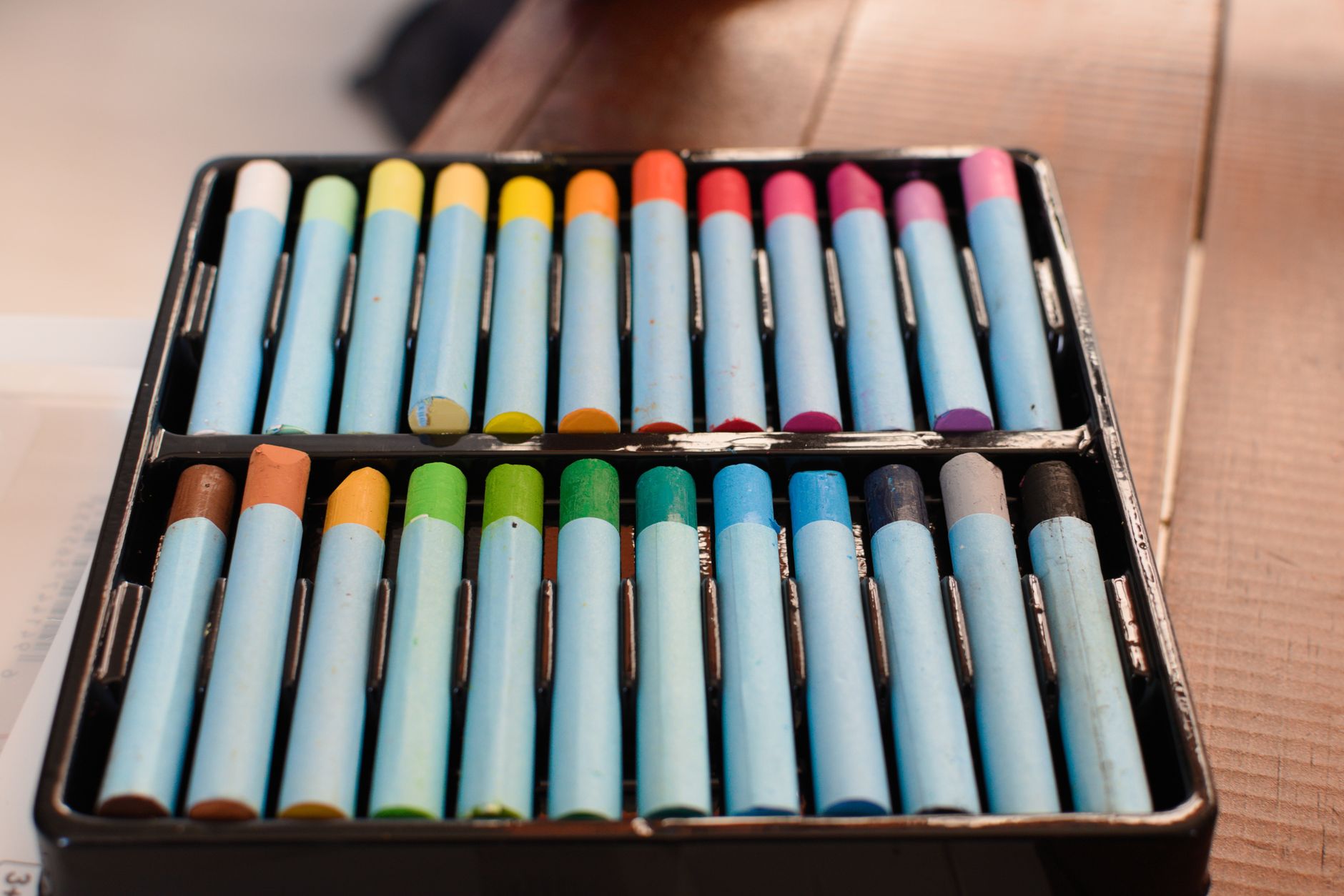
A Few Supplies Worth Having on Hand
Keep it simple. You don’t need a craft store’s worth of supplies. Here’s what we actually reach for:
- Nature journal (one per kid, blank pages)
- Faber-Castell watercolors — these are genuinely worth it
- Good watercolor brushes (a simple set of 3-4 sizes is plenty)
- Colored pencils for detailing
- Sibley field guide or whatever matches your local nature
- A bug collection kit for observing small things up close before sketching them
That’s genuinely all you need to have a rich, Charlotte Mason-style art education for the elementary years.
The Real Goal: Kids Who Notice Things
At the end of the day, I’m not trying to raise little Monets. I’m trying to raise kids who pay attention — who slow down long enough to notice the way a dragonfly’s wings catch the light, or how the sunset over Escambia Bay turns three different shades of pink before it’s gone.
That’s what Charlotte Mason art does. It builds observation habits that serve your kids in every subject and, more importantly, in the kind of childhood we’re trying to give them. The kind where they’re present. Where they put the tablet down and pick up a pencil. Where they come inside with mud on their knees and something worth drawing in their heads.
If you’re just getting started, don’t overthink it. Grab a journal, grab some watercolors, and go outside. Florida is your curriculum.
📖 You Might Also Like:
- Best Picture Books for Nature-Loving Kids (Our Favorite Read-Alouds for Little Explorers)
- Seasonal Living Ideas for Families: Simple Ways to Celebrate Every Season Year-Round
- How to Involve Kids in Homestead Chores by Age (Without the Meltdowns or Doing It All Yourself)
Frequently Asked Questions
What is Charlotte Mason art education and how does it work for homeschoolers?
Charlotte Mason art education focuses on two main practices: picture study (looking at and narrating great works of art by one artist per term) and nature journaling (sketching and painting what children observe outdoors). The emphasis is on developing observation skills and a love of beauty rather than drilling technical drawing techniques. It works especially well for homeschoolers because it’s flexible, low-cost, and integrates naturally with nature study and other subjects.
Do I need a formal art curriculum for a Charlotte Mason homeschool?
For most elementary-age kids, a formal art curriculum isn’t necessary with the Charlotte Mason approach. A blank nature journal, quality watercolors, a field guide, and regular time outdoors will give your children a rich art education. If you want more drawing structure as kids get older, gentle options like Draw Write Now or Drawing with Children fit the CM philosophy well without feeling overly academic.
Can Florida PEP scholarship funds be used to purchase art supplies for homeschooling?
Yes! Florida’s PEP (previously Gardiner/Family Empowerment Scholarship) can be used for instructional materials, which includes art supplies used for educational purposes in your homeschool. This covers items like watercolor sets, nature journals, field guides, and other hands-on learning tools. Always check the current scholarship guidelines at Step Up for Students for the most up-to-date approved expense categories.
How do I start nature journaling with elementary-age kids?
Start simple — grab a blank journal and some basic watercolors or colored pencils and head outside. Choose one thing to observe together (a bird, a plant, a bug, a cloud formation) and spend 10-20 minutes drawing and writing about it. Don’t worry about perfect pictures. The goal is slowing down and really looking. A field guide nearby helps kids add labels and facts. Aim for 2-3 sessions per week and let it become a relaxed habit rather than a formal lesson.
What art supplies do Charlotte Mason homeschoolers actually need?
You don’t need much to get started with Charlotte Mason art. The essentials are: a blank nature journal for each child, a set of quality watercolor paints (Faber-Castell is a great mid-range option), a few watercolor brushes in different sizes, colored pencils for detail work, and a local field guide for nature study reference. A pocket microscope or bug kit can also add a fun science-meets-art dimension for observational drawing. Keep it simple and add as you go.
Leave a Reply